
Divine Comedy, Longfellow's Translation, Complete
Translated by Henry Wadsworth Longfellow
"Divine Comedy, Longfellow's Translation, Complete" by Dante Alighieri is a monumental poem written in the 14th century that combines elements of epic poetry and philosophical allegory. The book is divided into three parts: Inferno, Purgatorio, and Paradiso, each depicting different realms of the afterlife, with the central theme revolving around the journey of the protagonist, Dante himself, as he navigates through these realms to seek redemption and enlightenment. The opening portion of "Divine Comedy" introduces a deeply symbolic and introspective narrative, starting with Dante's despair as he finds himself lost in a dark and foreboding forest, symbolizing sin and confusion. He encounters various beasts representing different vices that block his path, until he meets the Roman poet Virgil, who becomes his guide. Together, they embark on a journey through Hell (Inferno), where Dante learns about the consequences of sin and the nature of divine justice as they encounter the souls damned for their failings. This introduction sets a profound tone for the themes of morality, redemption, and the quest for knowledge that permeate the entire work.
Summary written by Project Gutenberg, by machine.
- Language
- English
- On Project Gutenberg since
- 1 August 1997
- Read in the last 30 days
- 4,138 times at Project Gutenberg
Listen to it

More by Dante Alighieri
See all: More by Dante Alighieri
The Divine Comedy of Dante Alighieri: The Inferno
The vision of hell.

La Divina Commedia di Dante
La Divina Commedia di Dante: Complete
The Divine Comedy by Dante, Illustrated, Purgatory, Complete
The Divine Comedy by Dante, Illustrated, Paradise, Complete

Divina Commedia di Dante: Inferno

Dante. An essay. To which is added a translation of De Monarchia.

La Divina Commedia di Dante: Inferno

Divina Commedia di Dante: Purgatorio

Divina Commedia di Dante: Paradiso

La Divina Commedia di Dante: Paradiso

La Divina Commedia di Dante: Purgatorio

The Divine Comedy by Dante, Illustrated, Hell, Volume 01
The Divine Comedy by Dante, Illustrated, Hell, Volume 02
The Divine Comedy by Dante, Illustrated, Paradise, Volume 1
The Divine Comedy by Dante, Illustrated, Purgatory, Volume 5
The Divine Comedy by Dante, Illustrated, Purgatory, Volume 1
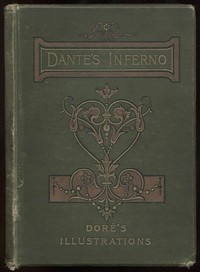
The Divine Comedy by Dante, Illustrated, Hell, Volume 07
The Vision of Dante: A story for little children and a talk to their mothers
More from the shelf “Italy”
See all: More from the shelf “Italy”
A Room with a View
The Mysteries of Udolpho

The divine comedy

Romeo and Juliet

Divine Comedy, Longfellow's Translation, Hell

The Portrait of a Lady — Volume 1
The Divine Comedy of Dante Alighieri: The Inferno
The New Life (La Vita Nuova)
The vision of hell.

The Stones of Venice, Volume 2 (of 3),

Divine Comedy, Longfellow's Translation, Purgatory
The Divine Comedy by Dante, Illustrated, Purgatory, Complete

The Portrait of a Lady — Volume 2

The Stones of Venice, Volume 1 (of 3)

Der Tod in Venedig

Divine Comedy, Cary's Translation, Complete
The Divine Comedy by Dante, Illustrated, Paradise, Complete

Divine Comedy, Longfellow's Translation, Paradise

The Stones of Venice, Volume 3 (of 3)