
Divine Comedy, Longfellow's Translation, Hell
Translated by Henry Wadsworth Longfellow
"Divine Comedy, Longfellow's Translation, Hell" by Dante Alighieri is an epic poem composed in the 14th century. This work is a complex allegorical narrative that explores the themes of sin, redemption, and the soul's quest for divine justice. The protagonist, Dante himself, embarks on a perilous journey through the realms of Hell, guided by the Roman poet Virgil. At the start of the Inferno, Dante finds himself lost in a dark forest, symbolizing confusion and the recognition of his own sinfulness. As he attempts to ascend a mountain representing salvation, he is blocked by three wild beasts, each emblematic of different vices. In his despair, Dante encounters Virgil, who offers to guide him through Hell and eventually to Paradise, motivated by the intercession of Beatrice, Dante's beloved. The opening sets a tone of reflection and fear while establishing Dante's desire for enlightenment and redemption, making it a compelling beginning to his profound exploration of morality and the afterlife.
Summary written by Project Gutenberg, by machine.
- Language
- English
- On Project Gutenberg since
- 1 August 1997
- Read in the last 30 days
- 11,049 times at Project Gutenberg
More by Dante Alighieri
See all: More by Dante Alighieri
The Divine Comedy of Dante Alighieri: The Inferno

The vision of hell.

La Divina Commedia di Dante

La Divina Commedia di Dante: Complete
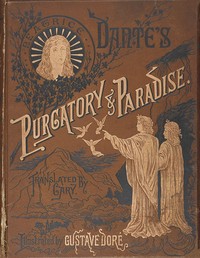
The Divine Comedy by Dante, Illustrated, Purgatory, Complete
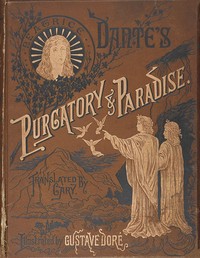
The Divine Comedy by Dante, Illustrated, Paradise, Complete

Divina Commedia di Dante: Inferno

Dante. An essay. To which is added a translation of De Monarchia.

La Divina Commedia di Dante: Inferno

Divina Commedia di Dante: Purgatorio

Divina Commedia di Dante: Paradiso

La Divina Commedia di Dante: Paradiso

La Divina Commedia di Dante: Purgatorio

The Divine Comedy by Dante, Illustrated, Hell, Volume 01

The Divine Comedy by Dante, Illustrated, Hell, Volume 02
The Divine Comedy by Dante, Illustrated, Paradise, Volume 1
The Divine Comedy by Dante, Illustrated, Purgatory, Volume 5
The Divine Comedy by Dante, Illustrated, Purgatory, Volume 1

The Divine Comedy by Dante, Illustrated, Hell, Volume 07
The Vision of Dante: A story for little children and a talk to their mothers
More from the shelf “Italy”
See all: More from the shelf “Italy”
A Room with a View

The Mysteries of Udolpho

The divine comedy

Romeo and Juliet

The Portrait of a Lady — Volume 1
The Divine Comedy of Dante Alighieri: The Inferno

Divine Comedy, Longfellow's Translation, Complete

The New Life (La Vita Nuova)
The vision of hell.

The Stones of Venice, Volume 2 (of 3),

Divine Comedy, Longfellow's Translation, Purgatory
The Divine Comedy by Dante, Illustrated, Purgatory, Complete

The Portrait of a Lady — Volume 2

The Stones of Venice, Volume 1 (of 3)

Der Tod in Venedig

Divine Comedy, Cary's Translation, Complete
The Divine Comedy by Dante, Illustrated, Paradise, Complete

Divine Comedy, Longfellow's Translation, Paradise

The Stones of Venice, Volume 3 (of 3)