Window mode follows your eyes with your camera, in this browser only: no picture or position leaves your device.
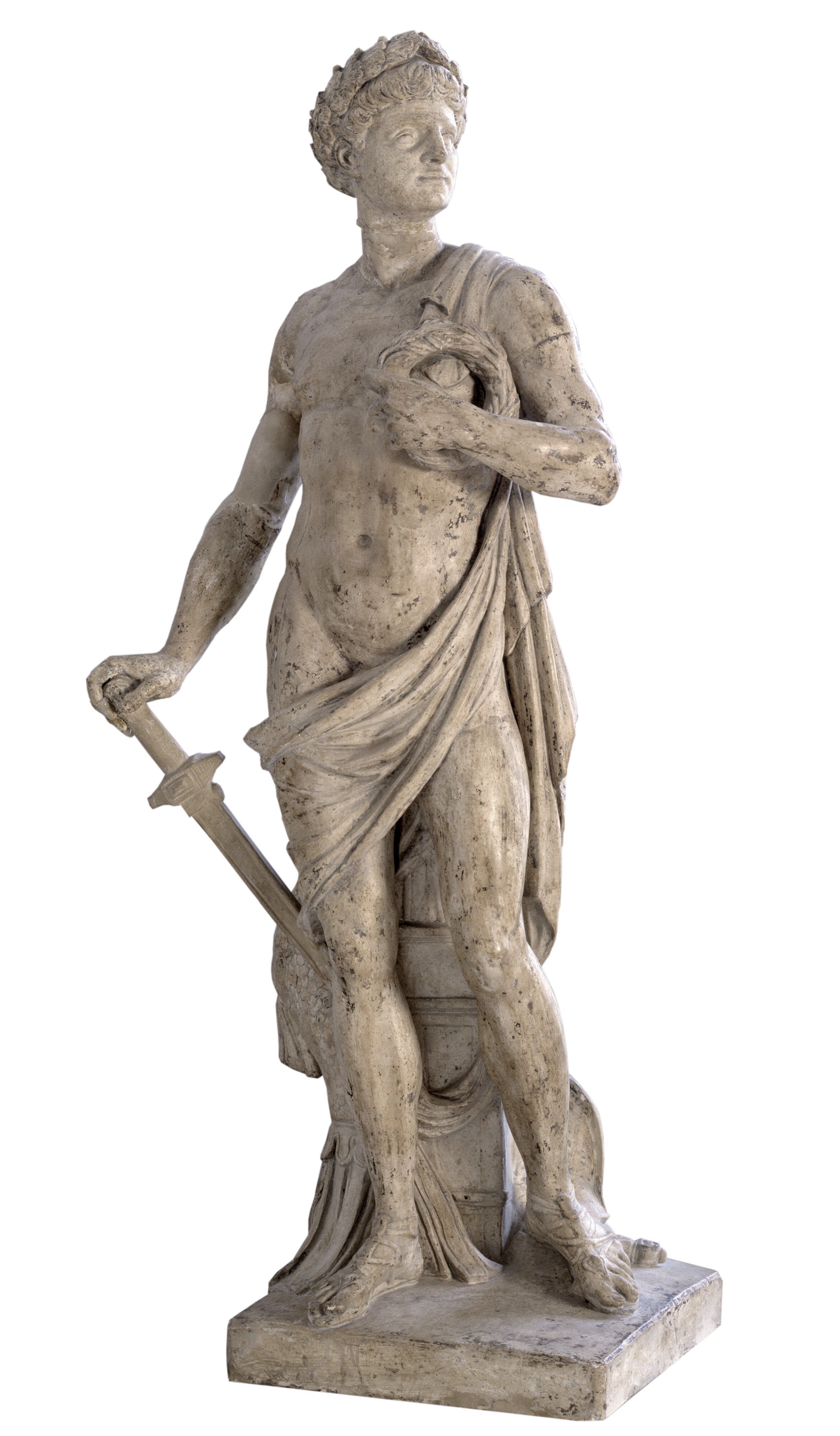
Amor patriae. Allegory symbolizing patriotism
C.F. Stanley (English, 1738–1813)
1777
- Medium
- Plaster
- Classification
- Statuette
- Dimensions
- height 112.5 cm, width 45.7 cm
- Culture
- English
- Museum
- SMK – National Gallery of Denmark
- Rights
- Public Domain Mark: SMK waives its rights in this photograph, as the museum states it.
- Who can see it
- Teens profiles and older: its museum says too little about what it shows to place it for younger viewers. How works are placed
SMK, the National Gallery of Denmark is not answering just now; this work's record is kept here.
View at the SMK – National Gallery of Denmark
About this work
In 1776 the Danish King Christian 7. introduced the nationality laws, which meant that Government posts and other public offices would usually be reserved for persons who had been born in Denmark. The following year C.F. Stanley was appointed professor at the Royal Danish Academy of Fine Arts. The nationality laws reflected a growing awareness of national identity and history, as did Stanley’s sculpture, created the same year that he obtained Danish citizenship. Love of one's country The title can be translated as Love of one’s country. This establishes a kinship with the king’s motto Honour through love of one’s country, and the picture symbolically presents honour as the result of patriotic deeds. The allegorical figure is shown standing by his armour, shield, sword, and arrow, quite literally trampling another sword underfoot. In reward of deeds suggested, he bears two laurel wreaths, the symbol of honour. An idealised patriotic citizen The figure can, however, both be read as a symbol of patriotism and as an idealised patriotic citizen. During the 1760s Stanley spent some time in Rome where he followed discussions of the latest ideas concerning the correlation…