Window mode follows your eyes with your camera, in this browser only: no picture or position leaves your device.
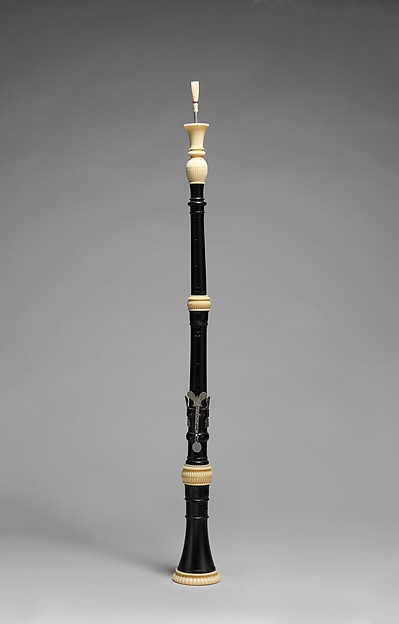
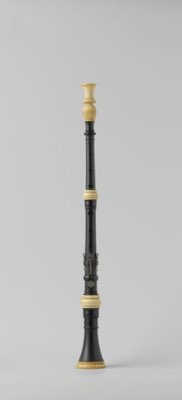
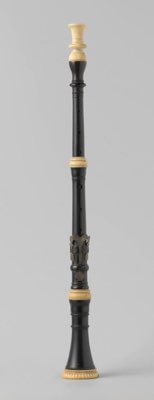
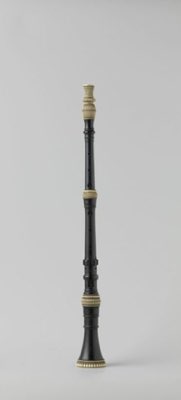
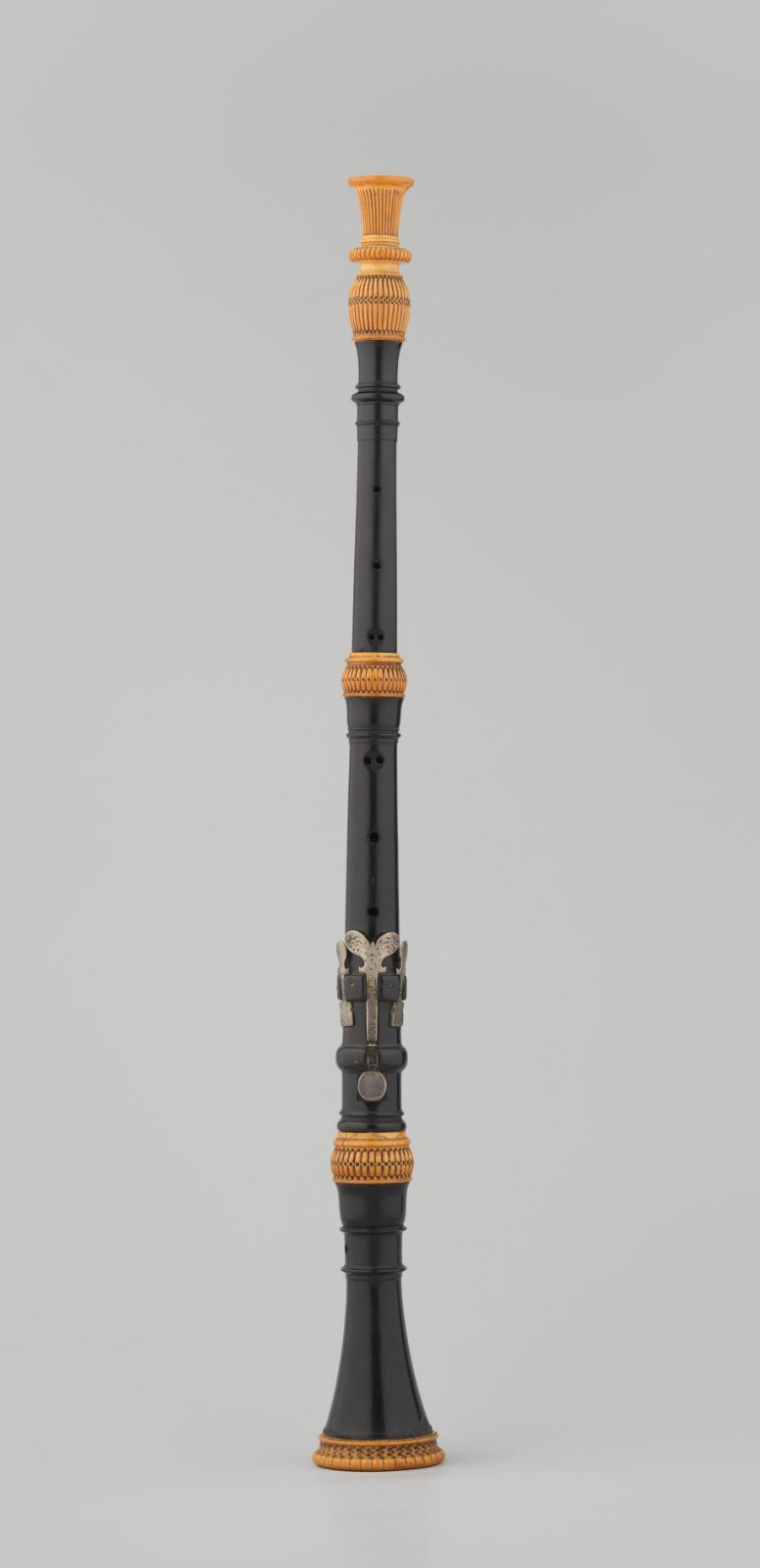
Hobo
Also titled Oboe
Hendrik Richters (Amsterdam, 1693–1765)
c. 1720 - c. 1730
- Medium
- ivory, ebony (wood), silver (metal)
- Classification
- musical instrument
- Dimensions
- length 57.8 cm x diameter 3 cm x diameter 5.9 cm
- Museum
- Rijksmuseum
- Credit line
- Purchased with the support of the BankGiro Lottery
- Rights
- Public Domain Mark, as the museum states it.
- Who can see it
- Tweens profiles and older: its subjects are known and suit older children. How works are placed
About this work
Six Dutch Baroque Oboes. By the late 17th century, there was a thriving woodwind industry in the Dutch Republic. Sheet music printing was also an important source of income. Over 500 oboe solos appeared in Amsterdam between c. 1690 and c. 1750. Oboes were made of hardwoods – like boxwood, ebony, fruitwoods – and ivory. The keys were made of brass or, for fancier instruments, of silver. The most lavish instruments in this gallery were produced by the Richters brothers in Amsterdam.