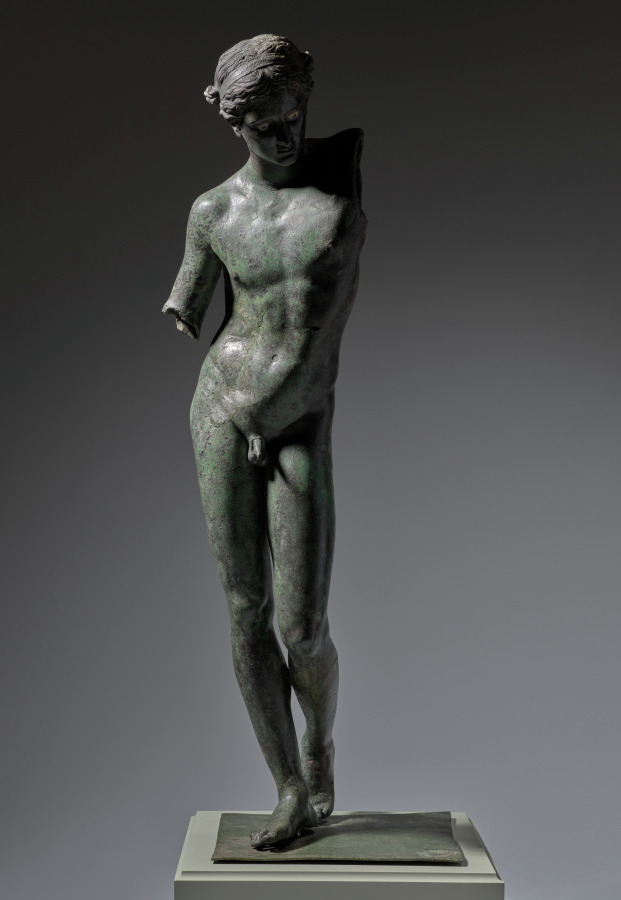
The Cleveland Apollo: Apollo Sauroktonos (Lizard-Slayer) or Apollo the Python-Slayer
attributed to Praxiteles (Greek, Athenian, c. 400–330 BCE)
or Follower
c. 350–200 BCE
- Medium
- bronze, copper, and stone inlay
- Classification
- Sculpture
- Dimensions
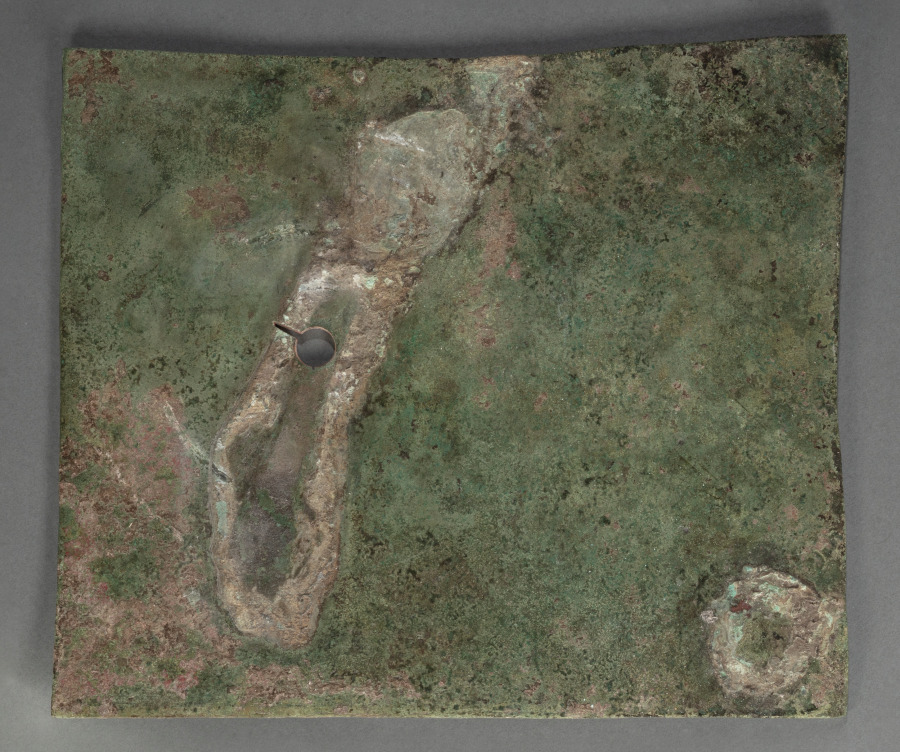
- Base: 0.5 x 47.3 x 40.7 cm (3/16 x 18 5/8 x 16 in.); Overall: 150 x 50.3 x 66.8 cm (59 1/16 x 19 13/16 x 26 5/16 in.)
- Culture
- Greece, Athens
- Museum
- Cleveland Museum of Art, Greek and Roman Art
- Credit line
- Severance and Greta Millikin Purchase Fund
- Rights
- Public domain (CC0), as the museum states it.
- Who can see it
- Teens profiles and older: its subject is for older viewers (war, death, the Passion, drink or the like). How works are placed
View at the Cleveland Museum of Art
About this work
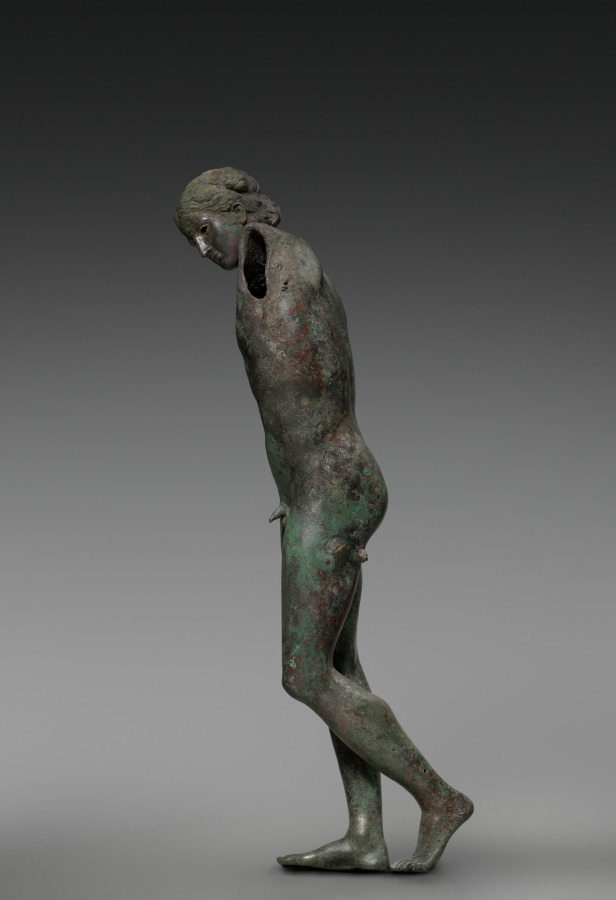
The Cleveland Apollo has been called both Lizard-Slayer (Sauroktonos) and Python-Slayer. The first name comes from the Roman author Pliny the Elder (23–79 CE), who noted in describing bronze works made by the Athenian sculptor Praxiteles (active around 370–330 BCE), “the youthful Apollo [is] known as the Sauroktonos because he is aiming an arrow at a lizard [Greek sauros] which is stealing toward him.”
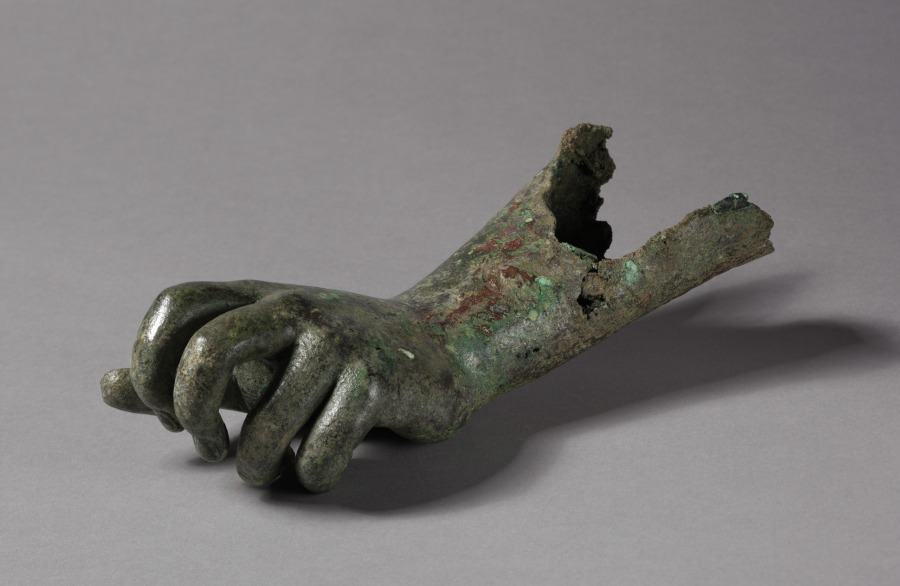
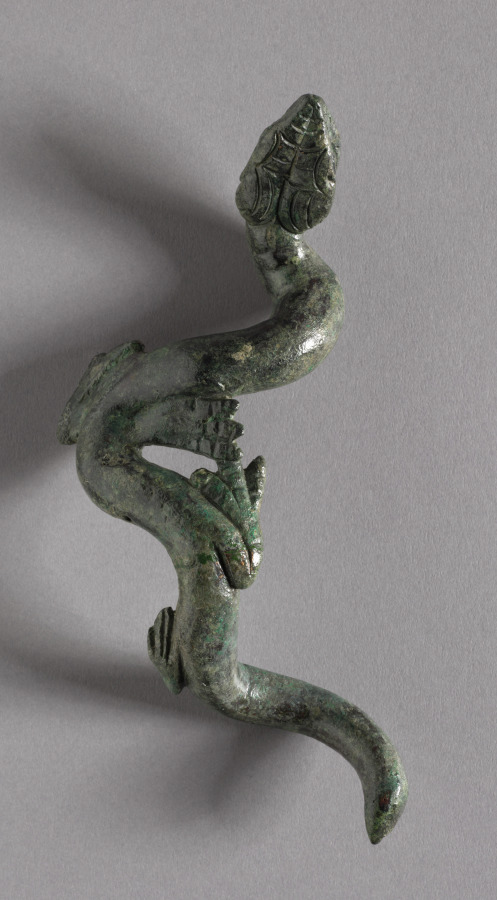
Scholars have long connected this description with artworks showing the young Greek god Apollo in a distinctive pose and hairstyle, standing on his right leg and leaning to his left. In more completely preserved versions, Apollo reaches toward a tree with his left arm and seems to take aim at a lizard. The Cleveland Apollo shows the adolescent god similarly posed and coiffed, making it an important addition to the Apollo Sauroktonos group—the only surviving large-scale bronze sculpture of the type. The young Greek god Apollo, identifiable by his distinctive hairstyle and pose, stands on his right leg and leans to his left, probably toward a now-lost tree. Although now separated, the left forearm and hand survive, together with an unusual lizard-like creature, perhaps drawn from…