Window mode follows your eyes with your camera, in this browser only: no picture or position leaves your device.
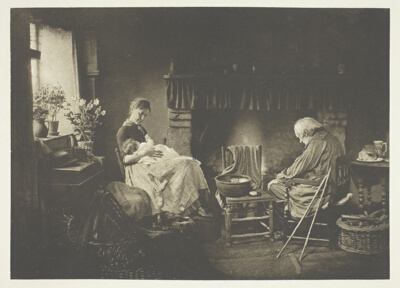
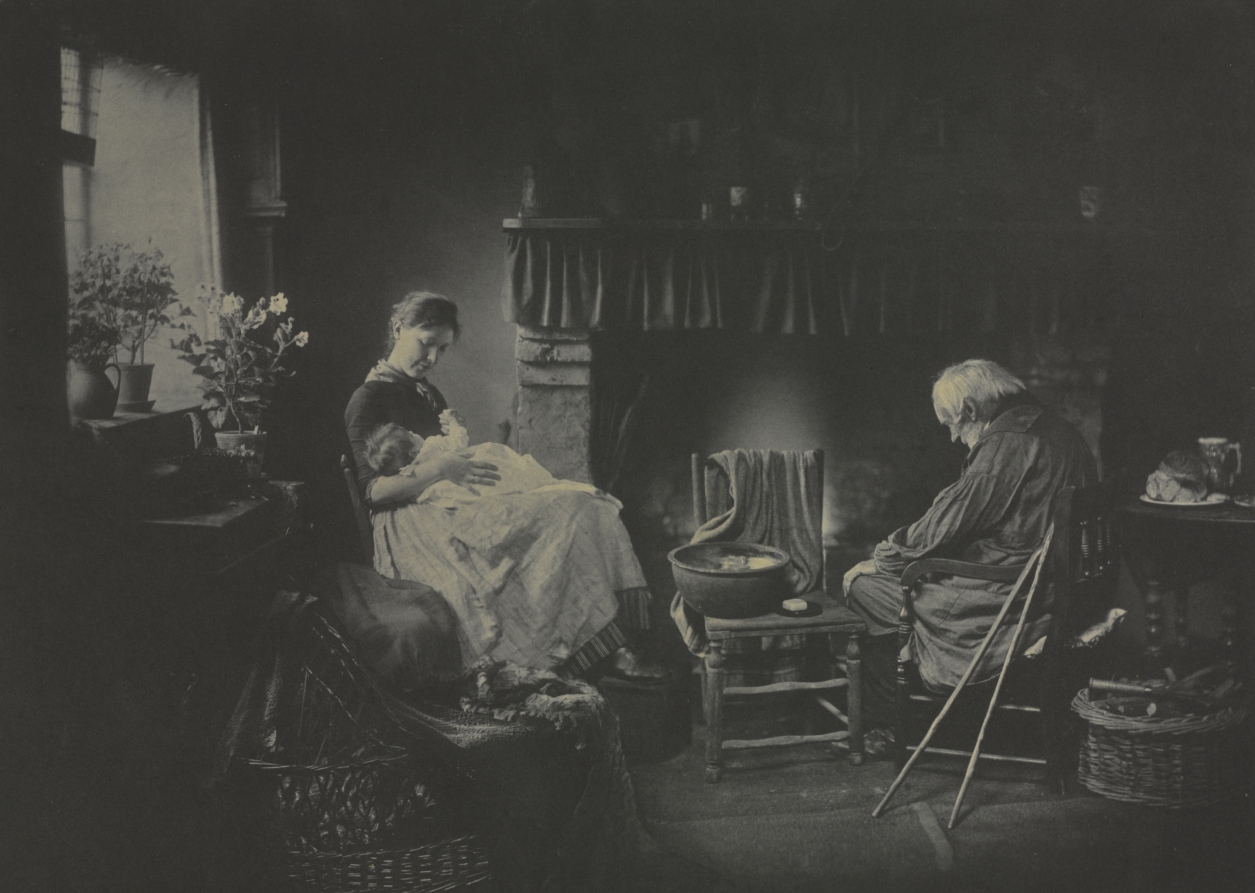
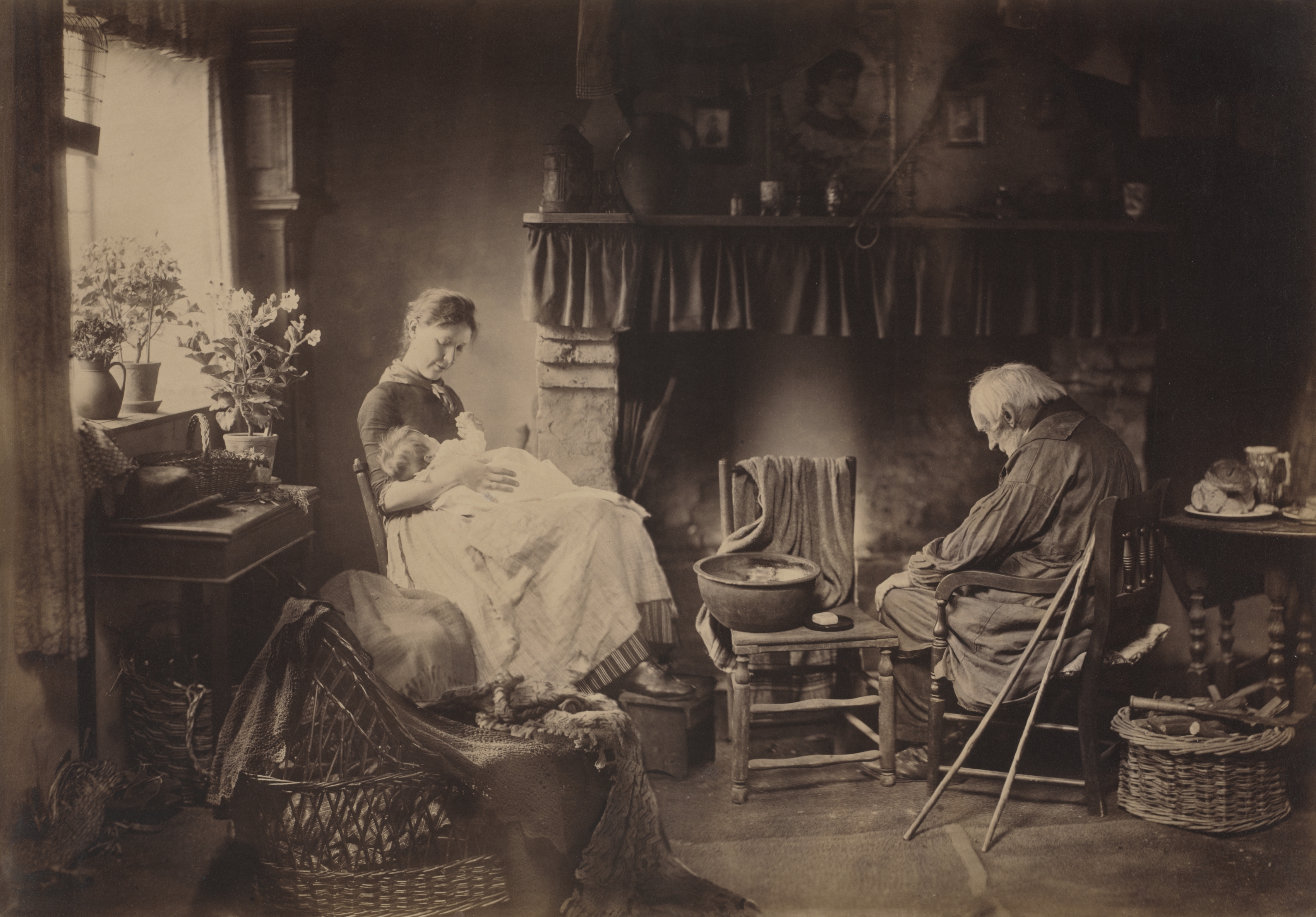
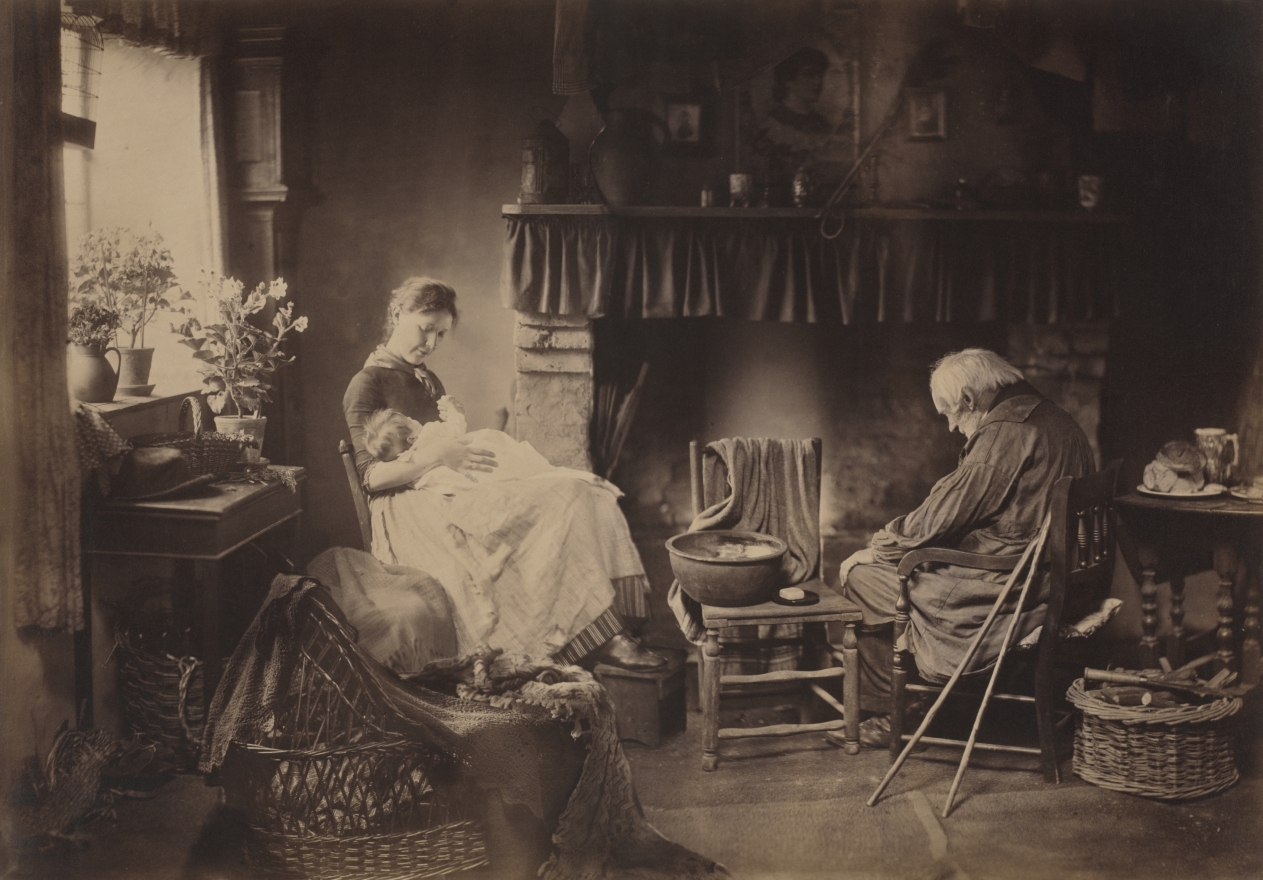
Dawn and Sunset
Henry Peach Robinson (British, 1830–1901)
1885
- Medium
- albumen print from three negatives
- Classification
- Photograph
- Dimensions
- Image: 54.5 x 78 cm (21 7/16 x 30 11/16 in.); Mounted: 61 x 85.8 cm (24 x 33 3/4 in.); Matted: 76.2 x 101.6 cm (30 x 40 in.)
- Culture
- England, 19th century
- Museum
- Cleveland Museum of Art, Photography
- Credit line
- Purchase from the J. H. Wade Fund
- Rights
- Public domain (CC0), as the museum states it.
- Who can see it
- Kids profiles and older: it shows nature, places, still life or a children's book. How works are placed
View at the Cleveland Museum of Art
About this work
Henry Peach Robinson was a pioneer in the "combination printing" technique, employing a number of negatives to make one photographic print. Keenly interested in portraying picturesque narrative scenes and landscapes, he carefully staged elaborate tableaux, often relying on relatives to serve as models. In Dawn and Sunset he presented a symbolic portrayal of three generations, from infancy to old age. By using the combination method, he was able to exercise greater control over his subjects' poses, gestures, and expressions than would have been possible with a single exposure. The smaller, platinum print version provides an instructive example of how an artist's vision can change when a different process is used to print the same negative. The platinum process provided a warmer, more subtle tonal range than the albumen process. The larger, albumen print appears almost journalistic in its use of harsh, even lighting, whereas in the platinum print Robinson was able to hide many details in dark shadow. This created a sense of unity that is missing in the larger image.