Face
Teotihuacan (Teotihuacan, Vallery of Mexico, Mexico)
300–600 CE
- Medium
- Stone, spondylus shell, and stucco
- Classification
- Sculpture
- Dimensions
- 19.4 × 18.5 × 9 cm (7 11/16 × 7 5/16 × 3 9/16 in.)
- Culture
- Teotihuacán
- Museum
- Art Institute of Chicago, Arts of the Americas
- Credit line
- Through prior gifts of Mr. and Mrs. Arthur M. Wood and Mr. and Mrs. William E. Hartmann; Robert Allerton Trust Fund; through prior gifts of Ethel and Julian R. Goldsmith and Mr. and Mrs. Samuel A. Marx; Morris L. Parker Fund; purchased…
- Rights
- Public domain (CC0), as the museum states it.
- Who can see it
- Tweens profiles and older: its subjects are known and suit older children. How works are placed
View at the Art Institute of Chicago
About this work
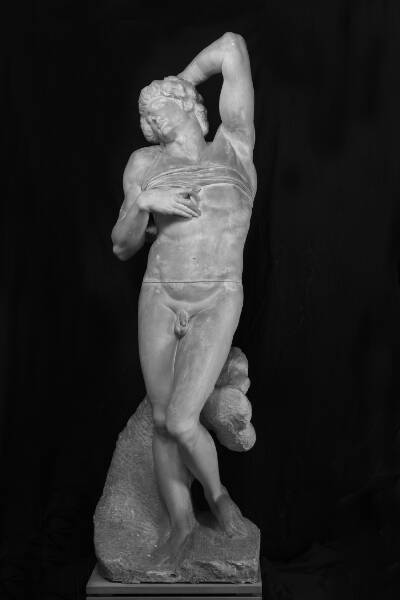
Teotihuacan, the ruins of which are located near Mexico City, was one of the largest and most complex cities in the world during the first millennium AD. Although this mask shares features common to others from the city—a broad forehead, prominent nose, receding chin, and widely spaced cheekbones—it is subtly unique, indicating that it may represent a stylized portrait. Tied to wooden armatures adorned with feathers, jewelry, and garments, such masks were displayed in residential compounds and temples where they were the focus of rituals commemorating ancestors who acted as intermediaries between the living and the deified forces of nature. An older, recut stone mask was covered with mosaic tiles made from the inner layer of spondylus shell imported from the Pacific coast. The use of this exotic material suggests the far-reaching power, author¬ity, and wealth of Teotihuacan. Spondylus was also considered sacred, associating this mask and the individual it honors with the generative power of lakes, rivers, and the sea.
Description © Art Institute of Chicago, CC BY 4.0