Window mode follows your eyes with your camera, in this browser only: no picture or position leaves your device.
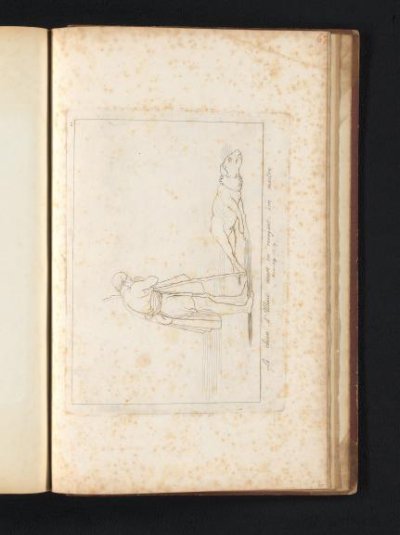
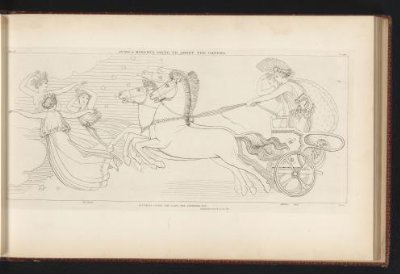
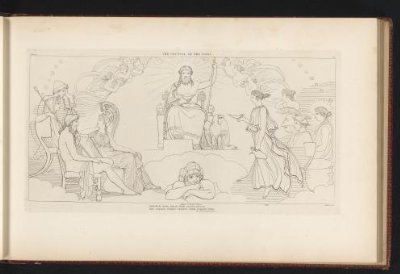
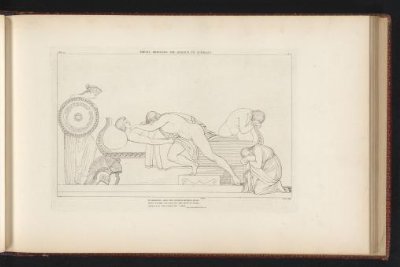
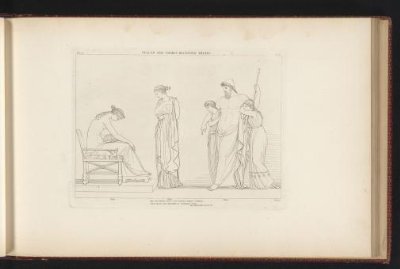
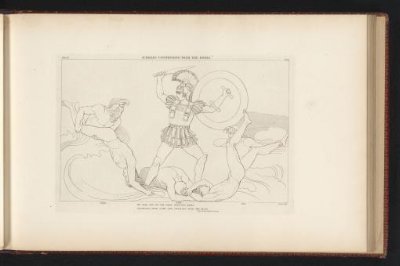
Homer's Iliad, Homer's Odyssey, Aeschylus's Tragedies and les Argonautes
Tommaso Piroli (Joseph Anton Koch (German, 1768-1839), after Asmus Jakob Carstens (German, 1754-1798), Les Argonautes)
1793/1810 (Iliad, 2nd ed, published 1793; Odyssey, published 1793; Tragedies, published 1795; Les argonautes, 1799; 3rd ed, published 1807/10)
- Medium
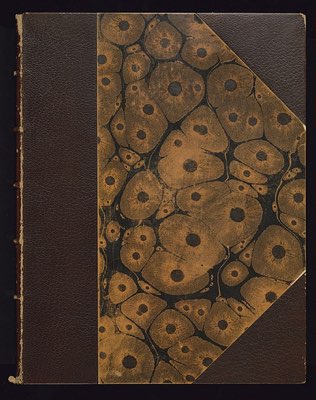
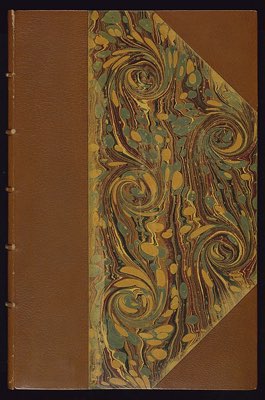
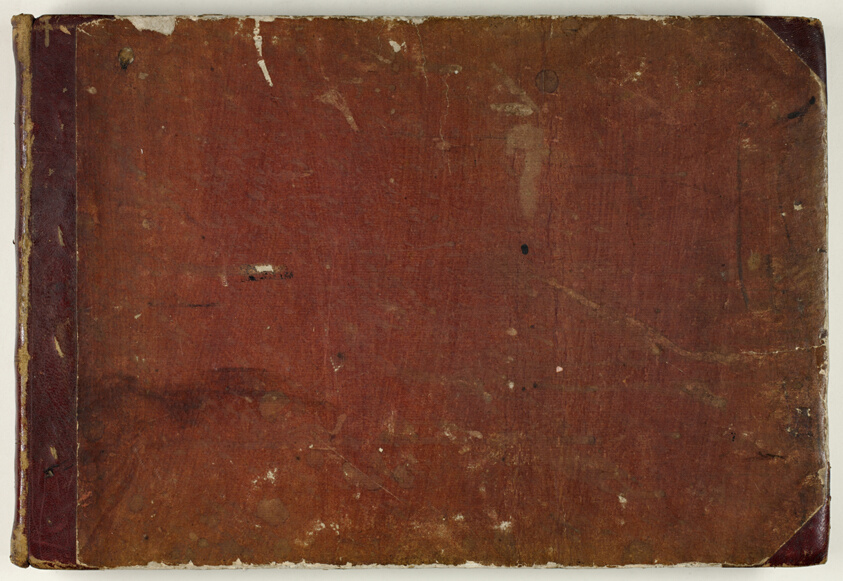
- Engravings in black on cream laid paper, bound with cardboard covers covered in paper, with leather spine and corners, and decorative end papers with block printing in blue
- Classification
- Book
- Dimensions
- Book binding: 29.6 × 43.7 × 4 cm (11 11/16 × 17 1/4 × 1 5/8 in.)
- Culture
- Italy
- Museum
- Art Institute of Chicago, Prints and Drawings
- Credit line
- John H. Wrenn Memorial Collection
- Rights
- Public domain (CC0), as the museum states it.
- Who can see it
- Teens profiles and older: its museum says too little about what it shows to place it for younger viewers. How works are placed
View at the Art Institute of Chicago
About this work
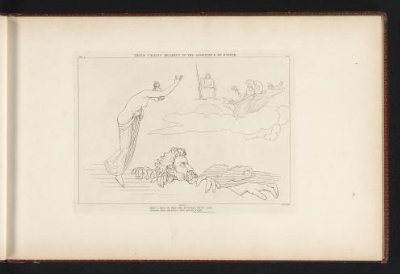
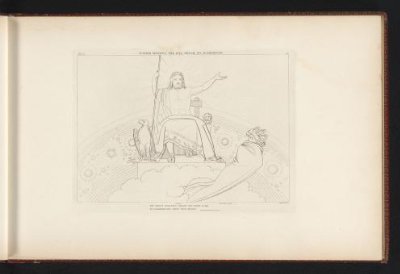
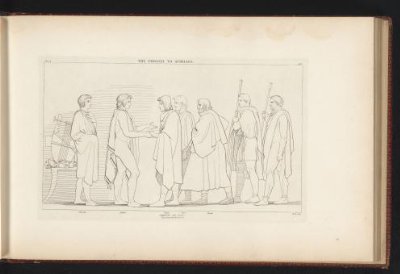
Flaxman pioneered a style of drawing, inspired by Greek vase painting, that rejected perspective and modeling in favor of pure line. With this, he meant to rediscover a lost simplicity and purity in art. In the 1790s, Flaxman produced a series of illustrations made into engravings for the works of Homer, Aeschylus, and Dante. These proved enormously influential, earning the sculptor lasting fame. Little of the texts was included in these editions, as Flaxman set out to tell the story through images.
Description © Art Institute of Chicago, CC BY 4.0