1942 WORLD WAR II DOCUMENTARY "PATTERN FOR VICTORY" 88214
PeriscopeFilm
WarDocumentaryIndustrial and advertising
Clips are not offered for this film: no licence or public-domain mark is recorded for it.
Parts
About
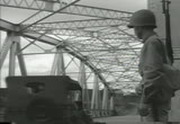
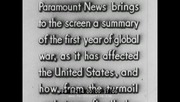
Released in November of 1942, PATTERN FOR VICTORY shows scenes of the first year after American entry into World War II. It was produced by Paramount News. The film begins with Pearl Harbor, and civilians hearing the news of the bombing of the fleet by Japanese aircraft. President Roosevelt is seen addressing Congress on December 8, 1941. Men register for service and women operate machinery in war plants. Scenes on the American home front include gas rationing. Prime Minister Winston Churchill and General Marshall observe military exercises at Fort Jackson, South Carolina, in June 1942. Fighting on the Russian Front is seen at the 9 minute mark including frozen bodies of the dead. At the 12 minute mark the opening of the "Second Front" in North Africa is seen…and the deception that led the Nazis to believe the Americans would land in Norway not Dakkar. We encourage viewers to add comments and, especially, to provide additional information about our videos by adding a comment! See something interesting? Tell people what it is and what they can see by writing something for example like: "01:00:12:00 -- President Roosevelt is seen meeting with Winston Churchill at the Quebec Conference." This film is part of the Periscope Film LLC archive, one of the largest historic military, transportation, and aviation stock footage collections in the USA. Entirely film backed, this material is available for licensing in 24p HD and 2k. For more information visit http://www.PeriscopeFilm.com
Human-made No record of this work says a model made it. What this means.
- Archive
- Internet Archive, in Ephemeral films
- Licence or status
- The Internet Archive states none for this item.
- Credit
- PeriscopeFilm
- Who can watch
- The archive gives no rating. Invisible Network shows it to Teens profiles and older, judged from its collection and subjects. How films are placed