1953 THULE , GREENLAND OPERATION BLUEJAY COLD WAR ARCTIC RAMPART 77764
WarIndustrial and advertising
Clips are not offered for this film: no licence or public-domain mark is recorded for it.
Low resolution (640×360): this is the archive's own copy.
Parts
About
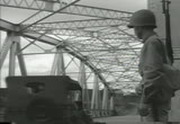
Dating to 1953, ARCTIC RAMPART shows Thule, the U.S. air base in Greenland that was constructed in secrecy as part of Operation Blue Jay. After World War II, Air Force planners began to examine the feasibility of establishing a bomber base at Thule. The remote weather station's location was the perfect spot — halfway between Moscow and New York — to stage long range B-52 bombers, and even more ideal to host interceptors. Thus in 1951, the Air Force secretly began construction on the base in an effort dubbed Operation Blue Jay. The project was massive. The construction is compared in scale to the enormous effort required to build the Panama Canal. The Navy transported the bulk of men, supplies, and equipment from the shipyards in Norfolk, VA. On 6 June 1951, an armada of 120 shipments sailed from Norfolk. 12,000 men and 300,000 tons of cargo arrived at Thule on 9 July 1951. Construction took place around the clock. The workers lived on-board the ship until quarters were built. Once they moved into the quarters, the ships returned home.
The film shows Lt. General Curtis LeMay of the Strategic Air Command visiting the base at the 13:19 mark.
This film is part of the Periscope Film LLC archive, one of the largest historic military, transportation, and aviation stock footage collections in the USA. Entirely film backed, this material is available for licensing in 24p HD and 2k. For more information visit http://www.PeriscopeFilm.com
Human-made No record of this work says a model made it. What this means.
- Archive
- Internet Archive, in Ephemeral films
- Licence or status
- The Internet Archive states none for this item.
- Who can watch
- The archive gives no rating. Invisible Network shows it to Teens profiles and older, judged from its collection and subjects. How films are placed