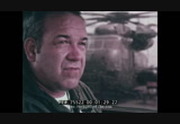
"ALL FOR ONE" AIR FORCE NOW EPISODE A-1 SANDYS HH-53 HELICOPTER RESCUE IN VIETNAM 75522
WarIndustrial and advertising
Clips are not offered for this film: no licence or public-domain mark is recorded for it.
Low resolution (640×360): this is the archive's own copy.
Parts
About
This episode of "Air Force Now", titled "All For One" dates to 1972. It focuses on the rescue of Capt. Gerald Lawrence on August 20, 1972. It includes interviews with A-1 squadron commander (Sandy), as well as, the forward air controller, excellent live-action footage aboard HH-53s (super jolly greens) of actual rescues, as well as details outlining the specific role of each team member: the pilot, co-pilot, navigator (door gunner) and the para-rescue jumpers, called "PJs." It shows the intense and emotional experience of a U.S. Air Force rescue operation, highlighting the dedication and bravery of the team involved. An Air Force commander shares his passion for saving people and recounts his first combat save, emphasizing the deep concern the Air Force has for its personnel. A rescued airman expresses profound gratitude and admiration for the rescue team's efforts. The narrative details the various roles within the rescue mission, including flight engineers, PJs, gunners, and medics, and discusses the dangers faced during such operations. The text also provides technical details about aircraft preparation and mission execution, the rescue control center's coordination efforts, and personal reflections on surviving an aircraft explosion. Communication between the rescue team and aircraft is described, along with the meticulous efforts to locate and extract the survivor. The final stages of the operation, including bringing the survivor on board and debriefing, are recounted. The film concludes with acknowledgment of the support received during the mission and emotional reflections on the rescue team's dedication and skill.
00:00 The narrator expresses their pride in working for the Air Force, describing their first combat rescue as a fantastic experience and emphasizing the importance of saving people.
0:32: The rescue of downed airmen in hostile territories is highlighted as a key example of the Air Force's deep care for its personnel, showing the dedication to ensure their safe return.
1:18: Describes the roles of flight crews, flight engineers, and pararescuemen (PJs) in rescue missions. The narrator explains their role in directing the aircraft, coordinating the survivor's recovery, and ensuring safe extraction.
2:17: Focus on the support and coordination necessary for successful rescue operations, involving gunships that provide protection for the rescue helicopters.
3:22: The checklist and pre-flight checks for the aircraft are performed, ensuring readiness for the rescue mission.
5:10: Rescue control centers manage communication between aircraft in the area, coordinating the efforts of various teams to recover survivors.
5:41: A survivor reflects on the shock and disbelief of surviving an aircraft explosion, which motivates them to continue pushing forward to make it home to their family.
6:46: Describes the approach and coordination of multiple aircraft, including Sandy, Jolly Green Giants, and the use of pararescuemen (PJs) to safely retrieve the survivor from the ground.
10:30: Details the critical moments during the extraction process, with the helicopter carefully maneuvering to retrieve the survivor and keep them safe from surrounding danger.
12:01: The survivor is successfully extracted and the helicopter departs from the area. The pilot and crew emphasize the importance of teamwork and how critical it was to get the survivor out of danger.
13:22: Expresses deep gratitude for the support of the crew, acknowledging how teamwork and dedication prevented the situation from escalating into a disaster, ensuring the survivor's safe return home.
Human-made No record of this work says a model made it. What this means.
- Archive
- Internet Archive, in Ephemeral films
- Licence or status
- The Internet Archive states none for this item.
- Who can watch
- The archive gives no rating. Invisible Network shows it to Teens profiles and older, judged from its collection and subjects. How films are placed