A DAY WITH THE SEMINOLE INDIANS FLORIDA SILENT FILM 70624
SilentIndustrial and advertising
Clips are not offered for this film: no licence or public-domain mark is recorded for it.
Low resolution (632×360): this is the archive's own copy.
Parts
About
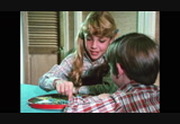
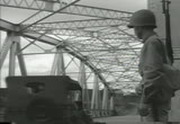
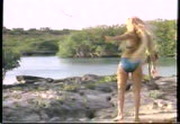
This late 1920s, early 1930s educational movie attempts to provide some insight into the Seminole tribe in Florida's Everglades. It begins with silent movie footage re-enacting Ponce de Leon arriving in Florida by ship -- and then shows exceptionally early and rare footage of tribe members in their beautiful handmade clothing, foraging in the swamps amid deer, alligators, wildcats and snakes. Green corn farming is seen at the 3:15 mark, and the making of bread at 5:30. Housing and a village is seen at the 6 minute mark. The "pale face" innovation the sewing machine is seen in use at the 8:30 mark, to make clothes.
The Seminole are a Native American tribe originally from Florida. They comprise three federally recognized tribes and independent groups, most living in Oklahoma with a minority in Florida. The Seminole nation emerged in a process of ethnogenesis out of groups of Native Americans, most significantly Creek from what are now northern Muscogee. The word Seminole is a corruption of cimarrón, a Spanish term for "runaway" or "wild one".
Seminole culture is largely derived from that of the Creek; the most important ceremony is the Green Corn Dance; other notable traditions include use of the black drink and ritual tobacco. As the Seminole adapted to Florida environs, they developed local traditions, such as the construction of open-air, thatched-roof houses known as chickees. Historically the Seminole spoke Mikasuki and Creek, both Muskogean languages.
Perhaps fewer than 200 Seminoles remained in Florida after the Third Seminole War (1855-1858), but they fostered a resurgence in traditional customs and a culture of staunch independence. In the late 19th century, the Florida Seminole re-established limited relations with the U.S. government and in 1930 received 5,000 acres (20 km2) of reservation lands. Few Seminole moved to reservations until the 1940s; they reorganized their government and received federal recognition in 1957 as the Seminole Tribe of Florida. The more traditional people near the Tamiami Trail received federal recognition as the Miccosukee Tribe in 1962.
The Oklahoma and Florida Seminole filed land claim suits in the 1950s, which were combined in the government's settlement of 1976. The tribes and Traditionals took until 1990 to negotiate an agreement as to division of the settlement, a judgment trust against which members can draw for education and other benefits. The Florida Seminole founded a high-stakes bingo game on their reservation in the late 1970s, winning court challenges to initiate Indian Gaming, which many tribes have adopted to generate revenues for welfare, education and development.
This film is part of the Periscope Film LLC archive, one of the largest historic military, transportation, and aviation stock footage collections in the USA. Entirely film backed, this material is available for licensing in 24p HD and 2k. For more information visit http://www.PeriscopeFilm.com
Human-made No record of this work says a model made it. What this means.
- Archive
- Internet Archive, in Ephemeral films
- Licence or status
- The Internet Archive states none for this item.
- Who can watch
- The archive gives no rating. Invisible Network shows it to Tweens profiles and older, judged from its collection and subjects. How films are placed