"THE LAST TEN FEET" 1950s OIL AND GAS INDUSTRY / OIL EXPLORATION DOCUMENTARY BY ESSO 51864
DocumentaryIndustrial and advertising
Clips are not offered for this film: no licence or public-domain mark is recorded for it.
Low resolution (640×360): this is the archive's own copy.
Parts
About
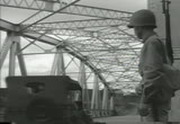
“The Last Ten Feet” is a circa 1940 black-and-white presentation by oil and gas manufacturer Esso and the Oil Industry Information Committee. “All that the average motorist sees of the American oil industry is the ten feet of hose leading from the service station gasoline pump to his car. This is the story behind those last ten feet,” a card tells us at mark 00:47. This film chronicles the vital role of the oil industry in shaping modern American life, portraying it as a story of innovation, risk, and progress. From its origins in 1859 with the first oil strike in Titusville, Pennsylvania, the industry has evolved into a massive network involving millions of workers and complex technologies. It highlights how oil fuels transportation, agriculture, and industry, supporting both civilian life and national defense. The film details the processes of exploration, drilling, refining, and distribution, emphasizing the scientific advancements and conservation practices that maximize efficiency and output. It also showcases the wide array of petroleum-based products—from fuels to synthetic rubber and cosmetics—made possible through ongoing research. Ultimately, it presents oil not just as a resource, but as a symbol of American ingenuity, teamwork, and economic strength.
0:00 – The film begins with music and introduces the theme of oil as a cornerstone of American progress.
0:56 – Americans rely on gasoline daily, symbolizing how deeply oil is tied to national growth and convenience.
1:47 – The oil industry supports millions of jobs, from drilling to sales, and involves a vast network of workers and stakeholders.
3:09 – The modern oil industry traces its roots back to Titusville, Pennsylvania, where oil was first struck in 1859.
4:10 – The quest for oil has taken people into extreme environments—land, sea, and swamp—requiring innovative exploration techniques.
5:19 – Seismic testing is used to locate potential oil reserves deep underground before committing to drilling.
6:22 – Even with technology, drilling remains a gamble; only 1 in 5 wells is successful, making oil discovery a risky venture.
7:03 – Conservation practices, like spaced drilling and pressure management, are used to reduce waste and prolong well life.
7:34 – The U.S. consumes more oil daily than the rest of the world combined, pushing oilmen to take on enormous challenges.
8:11 – Drilling operations require strength, precision, and teamwork, especially during complex tasks like changing drill bits.
10:19 – Over 38,000 new wells are drilled annually in the U.S., about one every 14 minutes, underscoring oil’s massive scale.
Human-made No record of this work says a model made it. What this means.
- Archive
- Internet Archive, in Ephemeral films
- Licence or status
- The Internet Archive states none for this item.
- Language
- English
- Who can watch
- The archive gives no rating. Invisible Network shows it to Tweens profiles and older, judged from its collection and subjects. How films are placed