NORTH AMERICAN AVIATION 1950s F-86 SABRE JET / TORNADO AIRCRAFT FILM 32264
Industrial and advertising
Clips are not offered for this film: no licence or public-domain mark is recorded for it.
Low resolution (640×360): this is the archive's own copy.
Parts
About
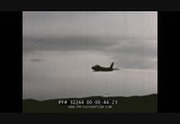
This promotional film for North American Aviation shows the F-86 Sabrejet in various versions of the aircraft including F-86A, F-86E and F-86H as well as the afterburner equipped F-86D jet interceptor. The film also shows aerial re-fueling by a KB-29 (2:45 mark), the B-45 Tornado, T-28 Trojan Advanced Trainer (5 minute mark), the FJ-2 Fury jet fighter, and the AJ-1 Savage with one jet and two piston engines (shown operating aboard USS Midway CV-41).
Summary:
00:00 Spectacular aerial victories in Korean skies against superior enemy numbers won a unique combat distinction for the F-86 Sabre jet fighter. The F-86A Sabre, the first of this historic series, set a world speed record of 670 miles per hour shortly after leaving production lines, later dominating combat in MiG Alley.
1:00 Later versions of the Sabre, including the E, F, and H models, continued coming off North American drawing boards and production lines. These models retained the basic combat-proven design of the original Sabre while utilizing advanced control systems to harness added engine power.
1:24 The F-86D model is introduced as the nation's first all-rocket and only one-man jet interceptor. This version climbs quickly to high altitudes to destroy targets in all weather conditions, utilizing a larger fuselage for a more powerful jet engine and afterburner alongside a shark-like nose housing search radar.
1:52 The F-86D possesses severe firepower from 24 large aircraft rockets that can fire all at once. Electronic firepower controls assist the pilot in handling the aircraft, hunting enemy targets, and opening fire without ever visually seeing the target, which is necessary as the jet flies faster than human muscles can react.
2:23 To stretch their normal long-range performance, Sabres undergo quick aerial refueling from a tanker airplane like the KB-29. The Sabre pulls into position to receive a rigid flying boom hose from the tanker, allowing a complete refill of all onboard fuel tanks in a very short time.
3:00 Aerodynamic airfoils mounted on the flying boom help the operator in the tanker's tail guide and make the physical connection. While the maneuver requires a steady hand on the flight controls, the natural design stability and performance of the Sabre help make the process go smoothly.
3:27 Aerial refueling is also used in the same manner for the B-45 Tornado four-jet bomber. The specific model shown is the RB-45C, a photo reconnaissance version that carries specialized photographic equipment instead of the standard ten-ton bomb load normally carried inside the bomb bay of the 550 mile per hour bomber.
3:59 All Tornado fuel tanks can be replenished from a single topside connection point in a short time. This refueling adds hundreds of miles to the bomber's operating range, enabling it to remain airborne for indefinite periods while taking reconnaissance photos from ground level up to an altitude of over eight miles.
4:25 The T-28 Advanced Trainer is introduced as the newest and most modern Air Force training airplane designed to prepare pilots for high-speed jet aircraft.
4:47 Built-in safety features make the T-28 an ideal transition airplane for young pilots moving from propeller-driven to jet-propelled aircraft. It is the first United States trainer to feature a tricycle landing gear configuration.
Human-made No record of this work says a model made it. What this means.
- Archive
- Internet Archive, in Ephemeral films
- Licence or status
- The Internet Archive states none for this item.
- Who can watch
- The archive gives no rating. Invisible Network shows it to Teens profiles and older, judged from its collection and subjects. How films are placed