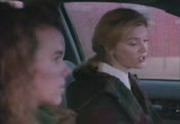
" THREE REACTIONS TO SHELTER LIFE " 1964 CIVIL DEFENSE FILM LIFE IN A FALLOUT SHELTER 29142
WarIndustrial and advertising
Clips are not offered for this film: no licence or public-domain mark is recorded for it.
Low resolution (640×360): this is the archive's own copy.
Parts
About
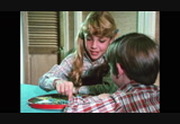
One of the more bizarre, but perhaps more intriguing and realistic Civil Defense films of all time, "Three Reactions to Shelter Life" (1964) attempts to highlight the negative psychological reactions that people might experience, living in a fallout shelter following a devastating thermonuclear war. These include aggression, regression, and of course depression. Released by the Office of Civil Defense the film highlights the mental suffering likely to occur even when the occupants of a public fallout shelter remain physically safe. Interestingly, Three Reactions to Shelter Life leaves each scenario unsolved, suggesting there can be no easy answers to the problems of human interaction.
The text explores the multifaceted challenges of living in fallout shelters during a disaster. It begins with an introduction emphasizing the importance of learning from past disasters for effective prevention and relief. Practical aspects of shelter life, such as space, ventilation, food, and water, are discussed, along with the emotional and social challenges people face, including fear and deprivation. The narrative follows individuals like Charlie, a young handyman, and Arnold Sweet, who struggle with the loss of everyday comforts and the stress of shelter life. Conflicts arise over food rationing and personal space, leading to aggressive and depressive behaviors. The film highlights the importance of maintaining morale through activities and the need for individual attention to manage negative reactions. It concludes with strategies for coping with these challenges and the significance of training and preparation.
00:00: Introduction with music and the importance of learning from disaster history for prevention and relief.
0:57 - 1:12: Practical aspects of fallout shelters, including space, ventilation, food, water, and sanitary facilities.
1:14 - 1:31: Emotional and social challenges in shelters, such as fear, deprivation, and unusual conditions.
1:39 - 2:27: Everyday comforts people take for granted, like family, home, friends, and services, which are lost in emergencies.
2:30 - 3:08: Life in a public shelter with limited space, rationed food, and restricted activities, leading to discomfort and separation from loved ones.
3:17 - 4:17: Impact of disaster on behavior, including irritability, aggression, withdrawal, and depression.
4:34 - 5:00: Introduction of Charlie, a young handyman, and the setting of the shelter in a local building's basement.
5:00 - 6:20: Charlie's initial eagerness to help, followed by his frustration and conflicts with others.
6:34 - 7:22: Charlie's growing irritability and the tension among shelter occupants.
7:31 - 8:23: Charlie's misconceptions about radiation and his conflicts with others.
Human-made No record of this work says a model made it. What this means.
- Archive
- Internet Archive, in Ephemeral films
- Licence or status
- The Internet Archive states none for this item.
- Who can watch
- The archive gives no rating. Invisible Network shows it to Teens profiles and older, judged from its collection and subjects. How films are placed