" THE HOMELESS ONES " CANADIAN CIVIL DEFENSE / ATOMIC BOMB CARTOON MOVIE 28202
AnimationScienceIndustrial and advertising
Clips are not offered for this film: no licence or public-domain mark is recorded for it.
Low resolution (640×360): this is the archive's own copy.
Parts
About
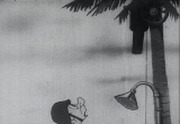
Created in 1954 by Canada's Department of National Health and Welfare, "The Homeless Ones" is a terribly grim cartoon that tells the story of an atomic attack on a city and the untold death and destruction it would leave in its wake. Directed primarily at civil defense welfare workers, the film illustrates how such a disaster could be alleviated by people organized, trained and prepared for such an eventuality. Drawn by Sidney Goldsmith, who created many non-fiction and educational cartoons for the National Film Board from the 1940s through the 1980s.
The film outlines the importance of preparedness in the face of potential air attacks using high explosive, atomic, or hydrogen bombs. It describes the devastating impact of an a-bomb on a city, with few survivors at the blast center and extensive damage up to two miles away. Civil defense forces play crucial roles in rescue operations and preventing panic. The film emphasizes organizing regions into target, mutual aid, and reception areas, with critical areas and welfare centers identified in advance. Assembly areas help gather and support homeless people, while various sections provide medical aid, food, clothing, and shelter. The importance of community involvement, training, and proper organization is highlighted to ensure effective civil defense and support for the homeless. It ends with a call to action for preparedness.
00:00: Introduction, exploring grim possibilities of the future.
1:49: No community is immune to air attacks in modern warfare, with potential use of high explosive, atomic, or hydrogen bombs.
2:14: An atomic bomb falling on a modern city would cause great destruction up to nearly two miles from the blast center.
3:10: At the blast center, there would be few survivors, with ruin and desolation.
4:00: Civil defense forces would work in the region of heavy damage around the blast center.
4:31: Civil defense welfare service workers would help those who are confused and panic-stricken.
5:06: Their work is to prevent panic and restore order.
5:25: Organizing a region for civil defense, including target, mutual aid, and reception areas.
6:16: The city is divided into critical areas for civil defense organization.
6:31: Each subdivision should have prospective civil defense welfare centers.
Human-made No record of this work says a model made it. What this means.
- Archive
- Internet Archive, in Ephemeral films
- Licence or status
- The Internet Archive states none for this item.
- Who can watch
- The archive gives no rating. Invisible Network shows it to Teens profiles and older, judged from its collection and subjects. How films are placed