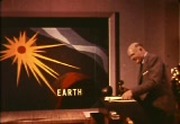
" YOU CAN BEAT THE ATOMIC BOMB " 1950 CIVIL DEFENSE FILM ATOMIC BOMB AND NUCLEAR FALLOUT 26092
WarIndustrial and advertising
Clips are not offered for this film: no licence or public-domain mark is recorded for it.
Low resolution (640×360): this is the archive's own copy.
Parts
About
Made in 1950, "You Can Beat the Atomic Bomb" shows the various modes of Civil Defense that were being developed to protect the American population in the event of a nuclear war. As part of the effort the film attempts to educate people about the survivability of the bomb and the radiation it emits. In an era before the hydrogen bomb, these facts were somewhat salient; but once the thermonuclear weapons became a reality films such as this one were obsolete. According to the film, a mere six feet of earth, or three feet of concrete, or one foot of steel, could protect a family from radiation following the bomb. In the film, such activities such as closing blinds and shutting windows and doors are important in the event of a nuclear war, and an average family facing nuclear attack calmly prepares for the aftermath.
One segment at the end of this film, appearing about the 18 minute mark, is about the H-bomb -- this was likely added on after the creation of the original film.
The film provides a comprehensive overview of various aspects of atomic energy and its implications. It begins with an introduction to natural forces like gravity and atomic power, followed by the discovery of radiation and the use of Geiger counters. Medical advancements include radioactive medicines from Oak Ridge, Tennessee, while industrial uses of radioactive substances enhance production efficiency. The text explains atomic energy and compares it to the atomic bomb, highlighting the role of state and local governments in civil defense. It addresses myths about atomic bombs, describes the effects of an atomic explosion, and provides instructions for seeking shelter. The importance of staying indoors during an atomic attack and the dangers of radioactive mist from underwater explosions are discussed. Emphasis is placed on patience as a defense against lingering radioactivity. The text also briefly mentions the hydrogen bomb and concludes with the importance of civil defense and the hope for international peace.
00:00 - Introduction to natural elements and forces, including gravity, electromagnetic force, and atomic power.
1:01 - Discovery of radiation and the use of instruments like the Geiger counter to detect radioactivity.
1:43 - Medical advancements in radiation, including radioactive medicines from Oak Ridge, Tennessee.
2:01 - Industrial uses of radioactive substances for production efficiency.
2:48 - Explanation of atomic energy and its comparison to the atomic bomb.
3:12 - Role of state and local governments in civil defense, including radiological monitors and emergency preparations.
4:00 - Addressing myths about atomic bombs, including temporary blindness and radiation effects.
5:02 - Description of the three effects of an atomic explosion: flash, blast, and radiation.
5:49 - Instructions for seeking shelter and protecting against radiation in case of an atomic attack.
Human-made No record of this work says a model made it. What this means.
- Archive
- Internet Archive, in Ephemeral films
- Licence or status
- The Internet Archive states none for this item.
- Who can watch
- The archive gives no rating. Invisible Network shows it to Teens profiles and older, judged from its collection and subjects. How films are placed