09 Conspiraciones y verdad
· 1 h 28 min · S1 E9 · Explicit
Episode 09 Conspiraciones y verdad
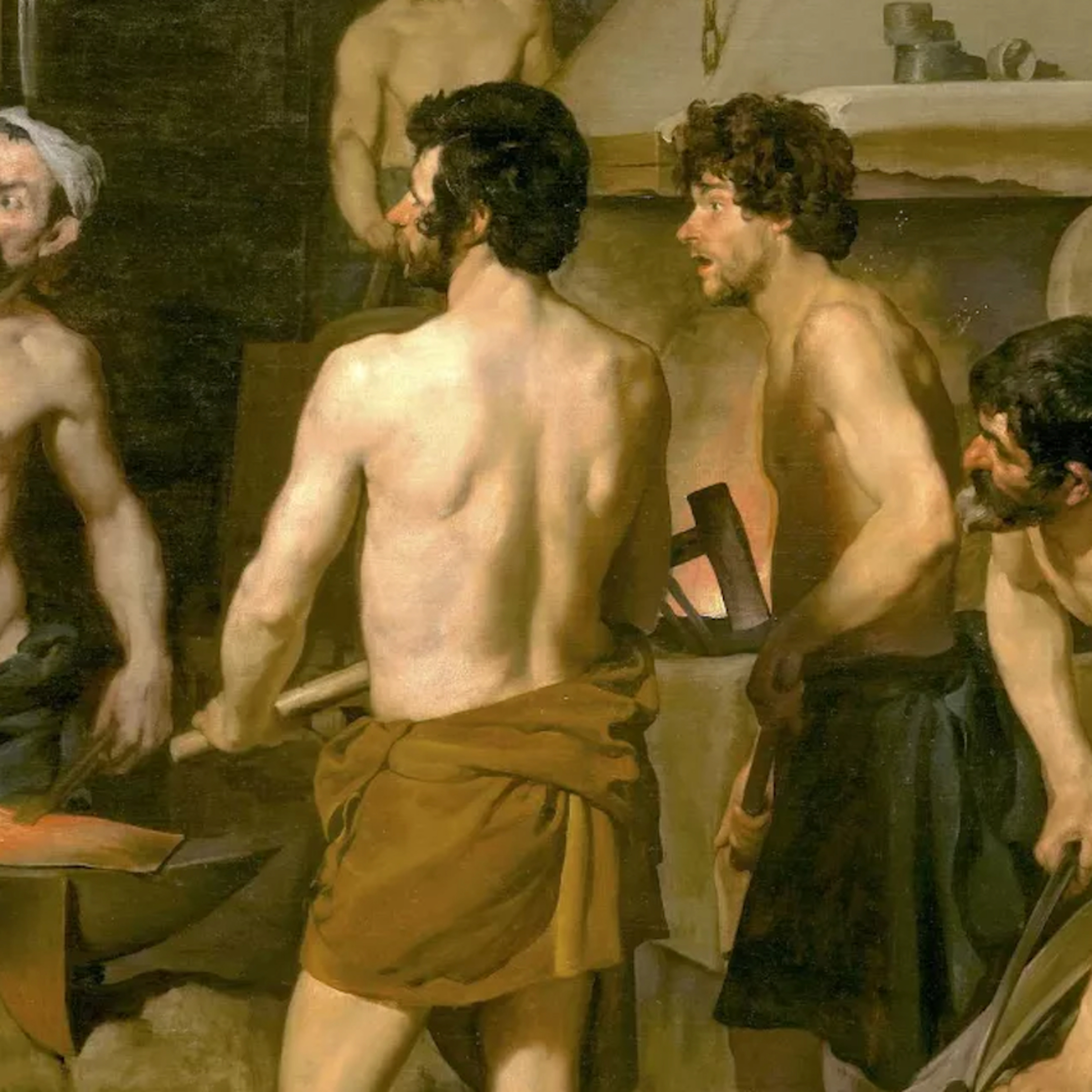
Por qué el cerebro humano prefiere las conspiraciones antes que la evidencia, qué necesidades psicológicas satisfacen y cómo ese fenómeno está transformando nuestra relación con la verdad, la ciencia y la confianza. Desde la neurociencia, la psicología y la filosofía, analizamos por qué creer sin pruebas puede convertirse en un problema individual y colectivo.__Síguenos en instagram: @lafilosofiaenrosa y @causa.primera__➡️ Referencias del episodioLibros de divulgación- Los orígenes del totalitarismo (1951) de Hannah Arendt.- La transformación estructural de la esfera pública (1962) de Jürgen Habermas.- Verdad y poder (1977) de Michel Foucault.- La ética de la creencia (1877) de William Kingdon Clifford.- La voluntad de creer (1896) de William James.- Conjeturas y refutaciones (1963) de Karl Popper. Artículos e informes- The Psychology of Conspiracy Theories — Karen M. Douglas, Robbie M. Sutton y Aleksandra Cichocka — 2017 — Current Directions in Psychological Science. Disponible en: https://journals.sagepub.com/home/cdp - The Conspiracy Theory Handbook — Stephan Lewandowsky y John Cook — 2020 — Center for Climate Change Communication, George Mason University. Disponible en: https://www.climatechangecommunication.org- The Illusion of Explanatory Depth — Leonid Rozenblit y Frank C. Keil — 2002 — Cognitive Science. Disponible en: https://onlinelibrary.wiley.com/journal/15516709- Flat Smacked! Conspiratorial Thinking, Science Comprehension, and the Belief in Flat Earth Theory — Ashley R. Landrum, Alex Olshansky y colaboradores — 2021 — Journal of Science Communication. Disponible en: https://jcom.sissa.it- The Social Consequences of Conspiracism: Exposure to Conspiracy Theories Decreases Intentions to Engage in Politics and to Reduce One's Carbon Footprint — Daniel Jolley y Karen M. Douglas — 2014 — British Journal of Psychology. Disponible en: https://bpspsychub.onlinelibrary.wiley.com- The Effects of Anti-Vaccine Conspiracy Theories on Vaccination Intentions — Daniel Jolley y Karen M. Douglas — 2014 — PLoS ONE. Disponible en: https://journals.plos.org/plosone- The Elusive Backfire Effect: Mass Attitudes' Steadfast Factual Adherence — Thomas J. Wood y Ethan Porter — 2019 — Political Behavior. Disponible en: https://link.springer.com/journal/11109- When Corrections Fail: The Persistence of Political Misperceptions — Brendan Nyhan y Jason Reifler — 2010 — Political Behavior. Disponible en: https://link.springer.com/journal/11109➡️ Crédito de imagenImagen de portada: La fragua de Vulcano (1630), Diego Velázquez. Dominio público (Wikimedia Commons).
Shows are listed from Apple Podcasts' charts and directory, and Podcast Index where it is used. Every show and episode belongs to its publisher and plays from the publisher's own feed; this site hosts none of them. Explicit shows are for adult profiles only, and children’s profiles hear only children’s shows. More about this list.