Podcasts · Dysregulated Kids: Science-Backed Parenting Help for Behavior, Anxiety, ADHD and More
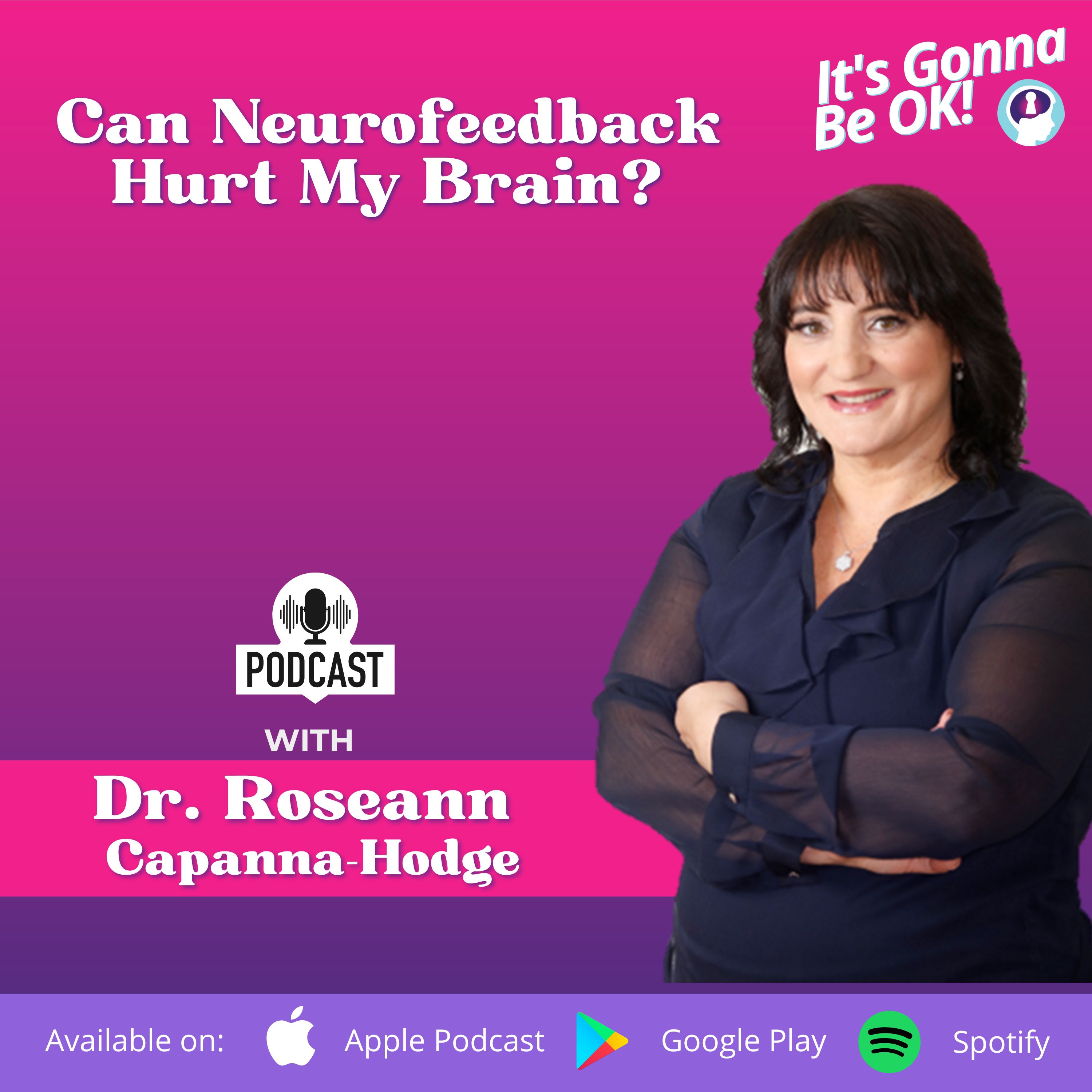
Can Neurofeedback Hurt My Brain? | Nervous System Strategies | E262
· 23 min · Episode 262
Episode Can Neurofeedback Hurt My Brain? | Nervous System Strategies | E262
Can Neurofeedback Damage Your Brain?
If your child struggles with attention, anxiety, or big behaviors, you may wonder: can neurofeedback damage your brain? In this episode, Dr. Roseann explains how EEG neurofeedback is safe, noninvasive, and effective for helping children self-regulate, improve focus, and reduce emotional reactivity.
In this episode, you’ll learn:
• Why can neurofeedback damage your brain is a common myth • How neurofeedback supports Dysregulated Children • Tools for Nervous System Regulation in Children and reducing Parental Stress and Dysregulation • Benefits for behavior, attention, mood, and sleep
Is neurofeedback safe?
• Noninvasive, drug-free, and does not send anything into the brain • Reinforces healthy brain wave patterns without forcing change • Over 60 years of research supports safety • Effective for ADHD, anxiety, PTSD, head injuries, PANS/PANDAS, OCD, and autism
How neurofeedback helps dysregulated kids
When the brain is dysregulated, behavior becomes loud: meltdowns, shutdowns, or acting out. Neurofeedback trains the brain to return to a regulated, parasympathetic state.
Observed benefits:
• Improved focus and attention • Reduced anxiety and emotional reactivity • Better mood and sleep • Increased resilience in stressful moments
Effectiveness for ADHD, anxiety, and trauma
• Over 3,000 peer-reviewed studies support neurofeedback outcomes • American Academy of Pediatrics: Level 1 intervention for ADHD since 2012 • Works as effectively as medication for ADHD, with results that often last longer • Targets root causes, not just surface behaviors
Neurofeedback and medication
• Neurofeedback has no direct side effects • As the brain regulates, medication effects may intensify; adjustments may be needed • Work only with licensed, trained providers • Track behavior changes weekly • Expect gradual reductions in medication under guidance
Listen + Take the Next Step
Get your FREE Regulation Rescue Kit for managing dysregulation and improving emotional control:
👉 www.drroseann.com/newsletter
Takeaway
Can neurofeedback damage your brain? No. It is a safe, evidence-based tool that helps children regulate attention, mood, and behavior. Combined with routines, nutrition, and co-regulation, neurofeedback supports long-term cognitive and emotional growth.
FAQs
Q1: Can neurofeedback make my child’s symptoms worse?
No. It reinforces healthy brain function without forcing changes.
Q2: How quickly do children see results?
Some notice calm and focus improvements within weeks; long-term regulation grows over months.
Q3: Is neurofeedback effective for ADHD and anxiety?
Yes. It improves attention, executive function, and emotional regulation.
Q4: Do I need a special provider?
Yes. Licensed, trained neurofeedback providers ensure safety and effective protocols.
Q5: Can it replace medication?
It complements therapy and lifestyle strategies and can reduce medication needs over time.
Dr. Roseann Capanna-Hodge helps parents understand Emotional Dysregulation in Children and teaches practical Nervous System Regulation in Children and Co-Regulation Techniques through Regulation First Parenting™.
Links in the notes 4
Shows are listed from Apple Podcasts' charts and directory, and Podcast Index where it is used. Every show and episode belongs to its publisher and plays from the publisher's own feed; this site hosts none of them. Explicit shows are for adult profiles only, and children’s profiles hear only children’s shows. More about this list.