Podcasts · Dysregulated Kids: Science-Backed Parenting Help for Behavior, Anxiety, ADHD and More
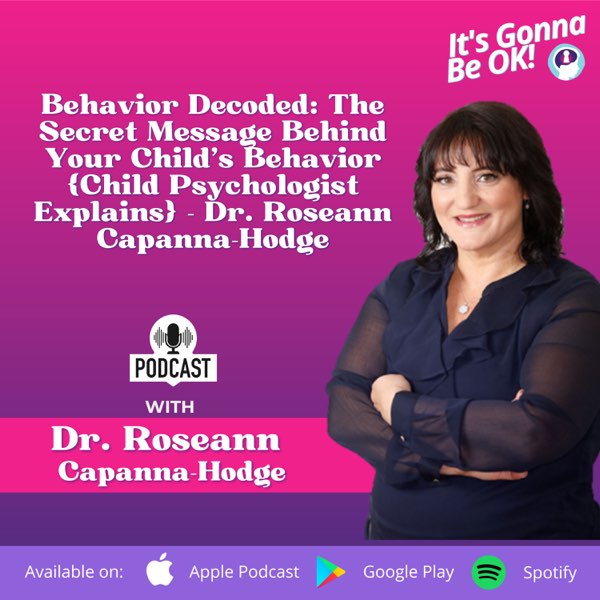
Child Psychologist Explains Childhood's Misbehavior | Emotional Dysregulation in Children | E206
· 13 min · Episode 206
Episode Child Psychologist Explains Childhood's Misbehavior | Emotional Dysregulation in Children | E206
Childhood's Misbehavior: Decoding Your Child’s Signals
If your child melts down, refuses tasks, or seems unpredictable, it’s not bad parenting, it’s a dysregulated child. Childhood's misbehavior is often communication from the nervous system. In this episode, Dr. Roseann explains how to decode behavior, respond with calm, and build self-regulation skills that stick.
In this episode, you’ll learn:
• How to interpret childhood's misbehavior as a signal, not defiance • Practical strategies for Behavioral Dysregulation and attention challenges • How to support a Dysregulated Child at home • Tools to reduce meltdowns and improve emotional regulation
Why children “lose it” over small things
Minor requests or disruptions can trigger fight-flight-freeze reactions in a dysregulated nervous system.
Strategies:
• Calm first: lower your voice, slow your breathing • Observe patterns: time of day, hunger, transitions, screen use • Short, neutral phrases: “I can see you’re upset. Let’s breathe first”
Parent story: A child yells at homework. Refueling, rest, and a calm approach allow them to revisit the task without escalation.
What childhood’s misbehavior is really saying
Every behavior is communication:
• Refusal, whining, or anger signals unmet needs • Anxiety, sensory overload, or fatigue often drives reactions
Support strategies:
• Movement breaks, deep pressure, or sensory tools • Magnesium, hydration, and predictable routines • Co-regulation: calm modeling from parents
How to respond without yelling or giving in
• Validate emotions, not behavior: “You’re frustrated; let’s fix it together” • Offer one regulating choice: water, pressure, or a body break • Provide safe space and wait for regulation before teaching
Parent example: A child screams over lost Legos. Calm co-regulation and a gentle solution reduce escalation.
Do brain-based tools really help?
Yes. Techniques like neurofeedback, PEMF, and breathwork support Nervous System Regulation in Children.
Practice daily:
• Micro-moments of regulation build resilience • Simple scripts: “Pause. Breathe. Choose.” • Reinforce routines, sleep, nutrition, and movement
Why older kids struggle differently
Teens or older siblings may lag in skills due to ADHD, anxiety, or sensory differences. Support growth by:
• Right-sizing expectations • Modeling coping rather than lecturing • Reinforcing effort over perfection
Listen + Take the Next Step
Get your FREE Regulation Rescue Kit:
👉 www.drroseann.com/newsletter
FAQs
Q1: What causes childhood misbehavior?
Usually a dysregulated nervous system caused by stress, fatigue, or sensory overload.
Q2: How can I decode my child’s behavior?
Observe patterns, stay calm, and look for unmet needs behind reactions.
Q3: Do natural tools like neurofeedback and PEMF work?
Yes. They support regulation, reduce emotional intensity, and improve attention.
Dr. Roseann Capanna-Hodge helps parents understand Emotional Dysregulation in Children and teaches practical Nervous System Regulation in Children and Co-Regulation Techniques through Regulation First Parenting™.
Links in the notes 5
Shows are listed from Apple Podcasts' charts and directory, and Podcast Index where it is used. Every show and episode belongs to its publisher and plays from the publisher's own feed; this site hosts none of them. Explicit shows are for adult profiles only, and children’s profiles hear only children’s shows. More about this list.