Podcasts · Dysregulated Kids: Science-Backed Parenting Help for Behavior, Anxiety, ADHD and More
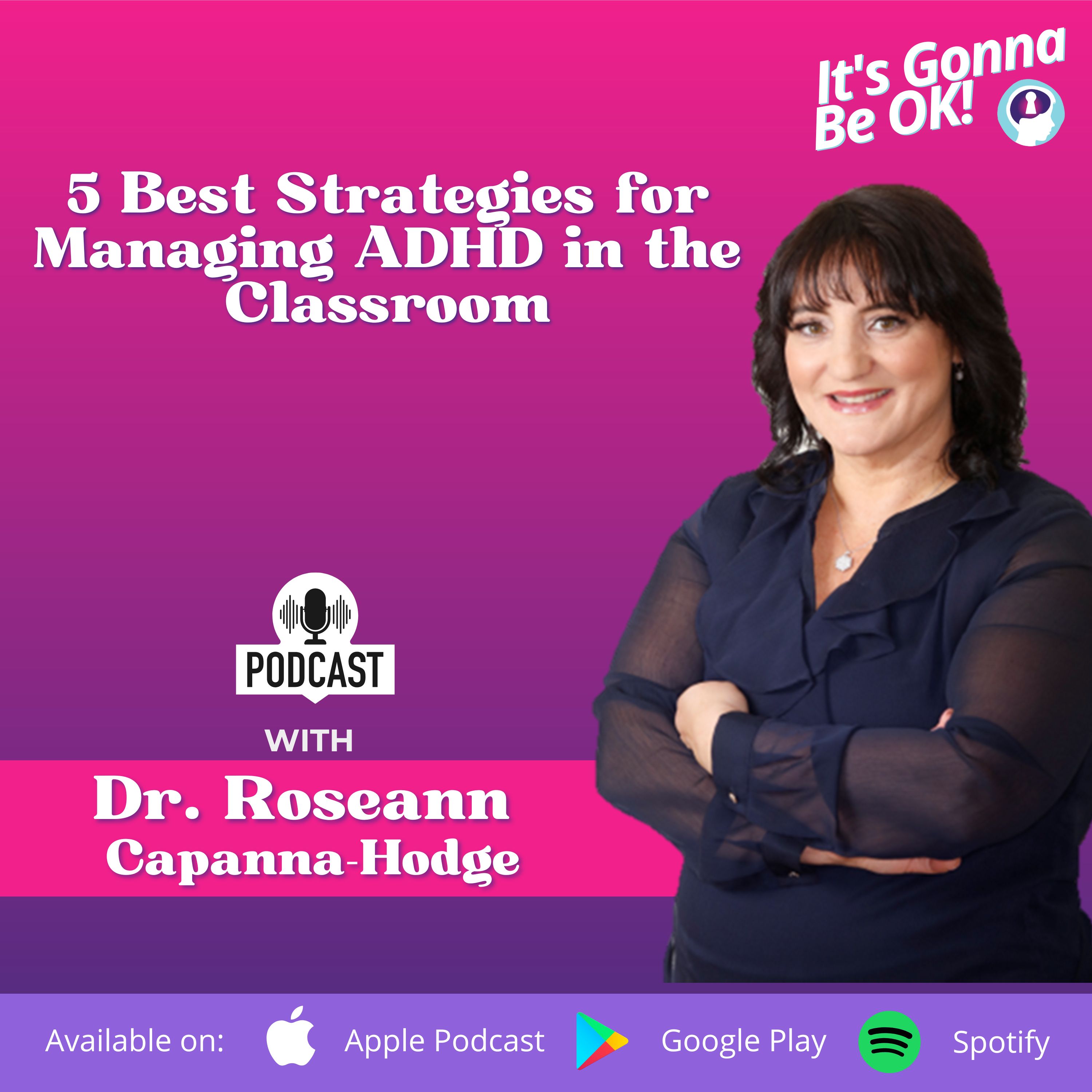
5 Best Strategies for Managing ADHD in the Classroom | Regulation First Parenting™ | E231
· 13 min · Episode 231
Episode 5 Best Strategies for Managing ADHD in the Classroom | Regulation First Parenting™ | E231
Manage ADHD in the Classroom: Strategies for Focus and Learning
If your child struggles in school, it’s not about intelligence or effort. Manage ADHD in the classroom by understanding how a dysregulated nervous system impacts attention, memory, and emotional control. In this episode, Dr. Roseann explains practical, regulation-first strategies that support learning for ADHD and other neurodivergent students.
In this episode, you’ll learn:
• How to manage ADHD in the classroom with movement, sensory input, and structured support • Strategies for ADHD and Emotional Dysregulation • Tools to support a Dysregulated Child and reduce meltdowns • Practical approaches for visual and kinesthetic learners
Why classroom supports are essential
Movement and sensory input are not optional—they help kids regulate attention:
• Resistance bands on chair legs • Sensory wedges or flexible seating • Extra time between classes to move
Executive functioning skills must be taught
Kids need guidance to plan, organize, and prioritize:
• Clear rubrics and examples • Step-by-step breakdown of assignments • Visual planners and mind maps
Tip: Showing the end goal reduces overwhelm and helps the brain feel safe and organized.
Self-regulation at school
A dysregulated nervous system blocks focus, memory and emotional control. Regulation-first strategies at school include:
• Calm-down breaks • Quiet spaces • Soothing music or guided relaxation tools
Positive reinforcement and learning
Correction alone doesn’t teach skills. Reinforce:
• Specific skills used • Effort over perfection • Self-reflection to build confidence
Why visual and kinesthetic approaches work
ADHD brains respond best to multi-sensory input:
• Acting out lessons • Visual cues and gestures • Learning while moving
These strategies support focus, memory, and engagement for all students.
Listen + Take the Next Step
Get your FREE Regulation Rescue Kit to support focus, attention, and emotional regulation:
👉 www.drroseann.com/newsletter
Takeaway
You can manage ADHD in the classroom by combining regulation, sensory supports, and visual-kinesthetic strategies. When the brain is calm and engaged, learning, attention, and emotional control improve.
FAQs
Q1: Can ADHD accommodations help all students?
Yes. They reduce cognitive load and support regulation and focus.
Q2: Should ADHD kids sit still to learn?
No. Movement and sensory breaks help regulate attention.
Q3: Is school behavior a sign of poor parenting?
No. Dysregulation reflects nervous system stress, not parenting failure.
Dr. Roseann Capanna-Hodge helps parents understand Emotional Dysregulation in Children and teaches practical Nervous System Regulation in Children and Co-Regulation Techniques through Regulation First Parenting™.
Links in the notes 4
Shows are listed from Apple Podcasts' charts and directory, and Podcast Index where it is used. Every show and episode belongs to its publisher and plays from the publisher's own feed; this site hosts none of them. Explicit shows are for adult profiles only, and children’s profiles hear only children’s shows. More about this list.