Opening the book…
🔧 From the HVAC Expert: Tips and Tricks🔧
Essential Tools for Soldering and Brazing
General Hand Tools:
✔ Adjustable wrench

✔ Wire brush (for cleaning pipe surfaces)

✔ Deburring tool (for smoothing edges before soldering)

✔ Measuring tape (for accurate pipe lengths)

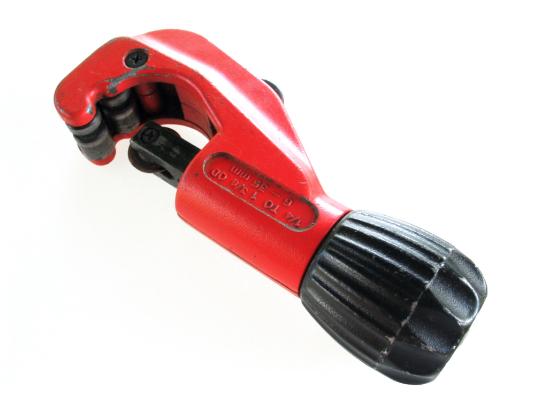
✔ Tube cutter (for precise cuts on copper tubing)
Soldering & Brazing Equipment:
✔ Propane or MAPP gas torch (for soldering copper pipes)

✔ Oxygen-acetylene torch (for brazing high-pressure systems)

✔ Flux and solder (for creating strong, sealed joints)

✔ Brazing rods (for high-temperature joining)


✔ Heat-resistant gloves (for protection from open flames)


✔ Fire-resistant mat (for shielding surrounding areas from heat)
(use wet rags)
Inspection & Safety Tools:
✔ Fire extinguisher (for emergency fire control)

✔ Leak detector (for checking joints after brazing)

✔ Pressure gauge (for post-repair system testing)

✔ Thermal imaging camera (for detecting heat distribution and potential weak spots)

✔ Safety glasses and respirator (for eye and respiratory protection)

Pro Tips for Soldering and Brazing
✔ Clean pipe surfaces thoroughly before applying flux to ensure a strong joint.
✔ Use the right torch type—propane for low-temperature soldering, oxy-acetylene for high-temperature brazing.
✔ Apply flux evenly but avoid excess, which can cause contamination.
✔ Heat the joint evenly before adding solder to prevent cold joints.
✔ Use a fire-resistant mat when working in tight spaces to prevent accidental burns.
✔ Allow joints to cool naturally to maintain joint strength—avoid using water for rapid cooling.
✔ Perform a pressure test after completing a brazed or soldered connection to confirm airtight sealing.
✔ Inspect the color of the flame—a neutral flame is best for brazing.
HVAC Soldering & Brazing Maintenance Checklist
✔ Inspect torches and hoses for leaks before use.
✔ Check gas pressure for proper flame control.
✔ Verify joint cleanliness before applying flux.
✔ Ensure even heat distribution to prevent weak spots.
✔ Test for leaks using a pressure gauge or soap solution.
✔ Store flammable materials properly in ventilated areas.
✔ Use appropriate filler materials based on pipe material and HVAC system requirements.
✔ Keep work areas well-ventilated to prevent fume buildup.
✔ Replace worn-out safety gear like gloves and goggles regularly.
This page titled 5.12: Tools Checklist and Tips! was last modified on Thu, 04 Dec 2025 17:53:51 GMT and is shared under a not declared license and was authored, remixed, and/or curated by Richard Valenzuela.
The book could not be loaded just now.