Instructional Methods Strategies and Technologies to Meet the Needs of All Learners · LibreTexts
0%
Contents
Text
Size
From LibreTexts, under not declared, as the source states it; its equations are written in TeX, which the PDF shows typeset. This page at LibreTexts.
18.1: Introduction
Opening the book…
Unit and Lesson Planning
Overview
What do you want your students to know and be able to do by the end of a unit of instruction, class, program of study…? How do you identify learning goals? Do the activities you assign actually help students meet those goals?
Watch this video lecture (2:46 minutes)
[MSU Graduate School]. (Aug. 26,2013). What is Backward Design?.[Video File]. Retrieved from youtu.be/DTxnTNXPK3g
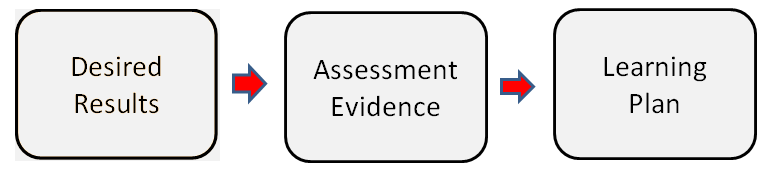
The three main areas of the unit plan
Identified Desired Results
To what extent are the targeted enduring understanding transferable, specific enough to guide teaching and assessment and framed by provocative essential question?
Assessment Evidence
To what extent do the assessments provide valid and reliable measures of the targeted understanding, opportunities for students to exhibit their understanding through authentic performance assessments, sufficient and varied information to support inferences about each student’s understanding?
Planning Learning Experiences and Instruction
To what extent do the brainstormed sequence of the main activities in the unit include instructional materials and resources for the selected content, the instructional strategies to engage, motivate, and support students, and the activities that students will perform to become more skilled and knowledgeable about the enduring understandings and specific content.
This page titled 18.1: Introduction was last modified on Sun, 28 Feb 2021 02:04:58 GMT and is shared under a not declared license and was authored, remixed, and/or curated by Paula Lombardi.