Introduction to Human Geography: A Disciplinary Approach · LibreTexts
0%
Contents
Text
Size
From LibreTexts, under CC BY-NC 4.0, as the source states it; its equations are written in TeX, which the PDF shows typeset. This page at LibreTexts.
11: Urban Geography
Opening the book…
Most of the world’s population lives in urban areas. An understanding of where, how and why cities evolved is critical to understanding modern societies. It’s also important to know how cities work. Each city functions differently from all others because each was built according to local needs and resources. Still, there are common histories and processes, that have important implications for the daily routines of those who live in cities, and for those who simply rely upon cities.
You are probably a city person whether you like it or not. Some people love the city they live in. Songs are written about cities. Still, many people say they don’t like the cities because of the noise, pollution, crowds, and crime that come with city life, but living outside the city presents challenges as well. Living outside a city is inconvenient because rural areas lack access to the numerous amenities found in cities. The spatial clustering of activities near one another is called agglomeration, and spatial clustering characterizes an untold number of processes because agglomeration reduces the friction of distance for thousands of activities. Distance presents time cost – and as the saying goes, “time is money”. Cities are therefore the most convenient, and cost-efficient places for people to live, work and play. The reduction in costs associated with transportation and the ability for people, governments, and businesses through sharing the costs for infrastructure creates what is known as economies of agglomeration, which is similar to the principle of economies of scale, but for cities. Economies of agglomeration is a fundamental reason for the existence of cities. When you add it all up, the savings in time and money have led nearly 8 in 10 Americans to live in urban areas. In California, America’s most urban state, almost 95% of its people live in a city. This chapter explores the evolution of cities, why cities are where they are, and how the geography of cities affects the way urbanites live.
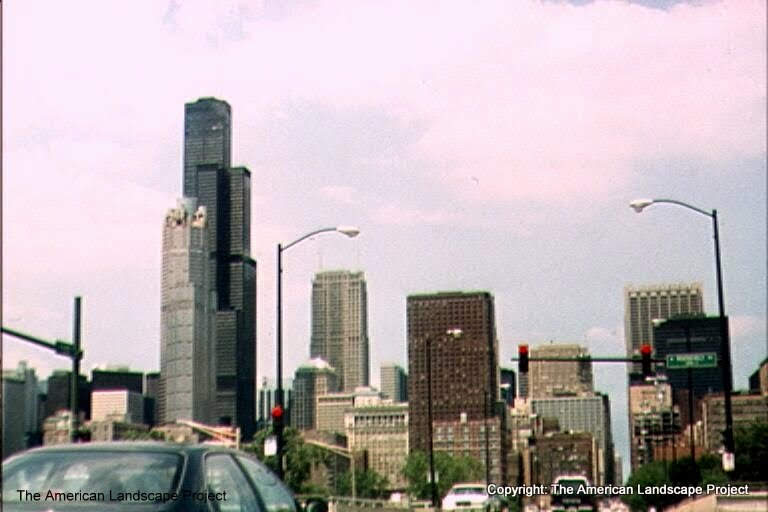
Figure 11-1: Chicago, IL. The "City of Broad Shoulders" gets its peculiar nickname from a poem extolling the vast array of industrial and agricultural pursuits made profitable by its special location.
Thumbnail: Chicago as seen from the North Avenue Beach. (CC BY-NC 2.0 Generic) Jamie McCaffrey via Flickr)
This page titled 11: Urban Geography was last modified on Mon, 31 Mar 2025 05:09:50 GMT and is shared under a CC BY-NC 4.0 license and was authored, remixed, and/or curated by Steven M. Graves via source content that was edited to the style and standards of the LibreTexts platform.