Opening the book…
Water is the most critical of all the nutrients, as its absence proves lethal within a few days. Water is used throughout the body and can be categorized into four basic functions:
1. Transportation
Water is called the “universal solvent” because more substances dissolve in it than any other fluid. Molecules dissolve in water because of the hydrogen and oxygen molecules’ ability to loosely bond with other molecules. The solvent action of water allows for substances to be more readily transported. Examples of body fluids containing these solutes include blood, urine, saliva, bile, and pancreatic juice.
2. Chemical Reactions
Water is required for even the most basic chemical reactions. Water is an ideal medium for chemical reactions as it can store a large amount of heat, is electrically neutral, and has a pH of 7.0, meaning it is not acidic or basic. Additionally, water is involved in many reactions as an agent to break bonds or to form bonds.
3. Lubrication & Shock Absorption
Water is the main component of the lubricating fluid between joints and eases the movement of bones. The fluid in the eyeball, around the brain, and in the spinal cord is primarily water and buffers these organs against sudden environmental changes. Watery fluids surrounding organs provide both chemical and mechanical
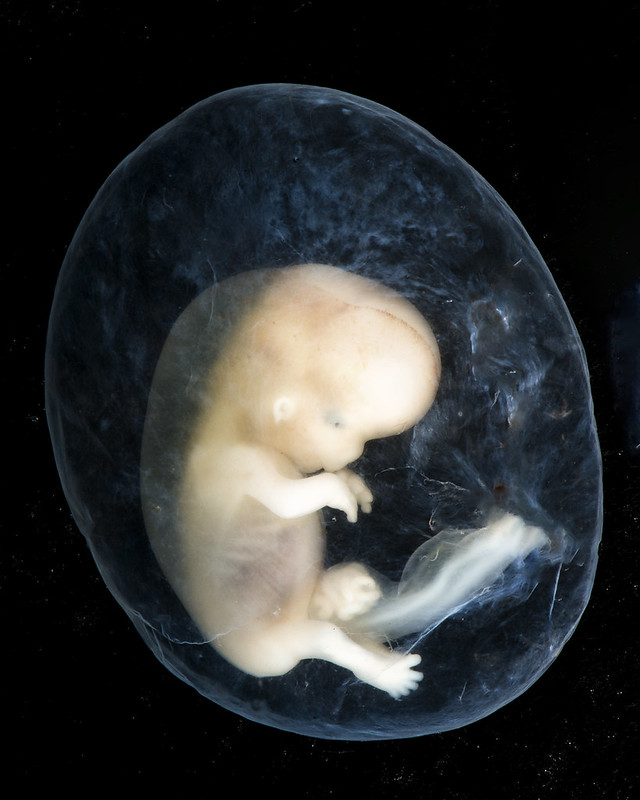
protection. Just two weeks after fertilization, water fills the amniotic sac in a pregnant woman providing a cushion of protection for the developing embryo.
Additionally, nasal mucus, also commonly referred to as snot, is also a front-line defense against injury and foreign invaders. It is composed of more than 90% water and helps discharge nasal irritants, lubricate cells in the lungs to enable you to breathe, transports nutrients along the gastrointestinal tract, and aids in eliminating waste materials through the rectum.
4. Temperature Regulation
Human life is supported within a narrow range of temperatures. The temperature set point of the body is 98.6°F (37°C). Too low or too high of a temperature causes enzymes and metabolism to halt. Too cold and the muscles fail, and hypothermia sets in. At the opposite extreme, if it’s too hot, the central nervous system fails, and death results. The body has multiple ways to move body water around, distribute or share heat and equalize body temperature. Also, water is good at storing heat, which means that it helps the body maintain temperature despite changes in the surrounding environment; this is how you can stay warm during a snowstorm and cool during hot Arizona summers. Additionally, other methods regulate heat, such as sweating, which releases heat, or shivering, which helps your body generate heat.
Heat Safety in Extreme Climates – Arizona
This page titled 15.3: Functions of Water in the Body was last modified on Sun, 27 Sep 2026 02:35:00 GMT and is shared under a not declared license and was authored, remixed, and/or curated by Stephanie Green and Kelli Shallal via source content that was edited to the style and standards of the LibreTexts platform.
The book could not be loaded just now.