Opening the book…
Biofuels (Biomass Energy)
Biofuels, also called biomass energy, are fuels derived from recently living organisms such as plants, algae, animal waste, and organic municipal waste. Because the energy stored in biomass was originally captured from sunlight through photosynthesis, biomass is an indirect form of solar energy.
Biomass can be burned directly or converted into liquid or gaseous fuels. The heat released during combustion can be used for cooking, heating buildings, generating electricity, or powering vehicles. When biomass is used to generate electricity, the heat from combustion produces steam that turns a turbine connected to a generator, similar to many other forms of electricity generation.
Common forms of biomass energy include:
- Wood and charcoal
- Agricultural residues such as straw or corn stalks
- Municipal solid waste
- Landfill gas (biogas)
- Bioethanol
- Biodiesel
Carbon Neutrality and Biofuels
-
Biofuels are often described as carbon neutral because the carbon dioxide released during combustion was recently removed from the atmosphere by photosynthesis (figure \(\PageIndex{a}\)). In contrast, fossil fuels release carbon that has been stored underground for millions of years.
However, carbon neutrality is not always guaranteed. The overall climate impacts of biofuels depend on how the biomass is grown, processed, transported, and used. For example, clearing forests to grow biofuel crops can release large amounts of stored carbon and reduce biodiversity. As a result, scientists often evaluate biofuels using a life cycle assessment, which considers environmental impacts from production through disposal.
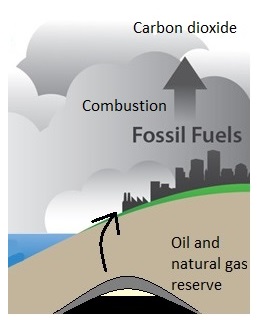

Figure \(\PageIndex{a}\): Carbon cycling in fossil fuels and biofuels. Fossil fuel combustion releases carbon that has been stored underground for millions of years, whereas biofuel combustion releases carbon that was recently absorbed from the atmosphere through photosynthesis. Image modified
from those created by Melissa Ha from NETL/DOE (public domain) and publicdomainvectors.org (public domain).
Advantages of Biomass Energy
Biomass energy offers several potential benefits.
- Biomass can be produced locally, improving energy security.
- Many biofuels are derived from waste materials that would otherwise decompose or be discarded.
- Biomass can provide energy when solar and wind resources are unavailable.
- Some forms of biomass can reduce methane emissions by capturing gases that would otherwise be released from landfills or manure storage systems.
Because biomass can often be stored and used when needed, it is generally more reliable than intermittent renewable energy sources such as solar and wind.
Disadvantages of Biomass Energy
Despite these benefits, biomass energy also has significant environmental and social challenges.
Unlike most renewable energy sources, burning biomass releases air pollutants, including particulate matter, carbon monoxide, and nitrogen oxides. Indoor air pollution from cooking and heating with wood or charcoal remains a major health concern in many low-income regions.
Biomass production also requires land, water, and nutrients. Growing crops for biofuel production can compete with food production and may contribute to higher food prices. In some regions, forests and natural habitats have been cleared to make room for biofuel plantations, reducing biodiversity and releasing carbon stored in ecosystems.
Like all energy sources, biomass involves trade-offs. Biomass can help reduce dependence on fossil fuels, but its sustainability depends heavily on where the biomass comes from and how it is managed. In general, biomass derived from waste materials is considered more sustainable than biomass grown specifically for energy production.
Examples of Biomass Energy
Wood and Charcoal
Wood and charcoal have been used for cooking and heating for thousands of years (figure \(\PageIndex{b}\)). When harvested sustainably from managed forests or waste wood, they can provide a renewable source of energy. However, unsustainable harvesting can contribute to deforestation, habitat loss, and soil degradation.

Figure \(\PageIndex{b}\): Charcoal production in Uganda. (A) Trees cut down for charcoal. (B) Pieces of firewood. (C) Wood logs read for charcoal burning. (D) Charcoal packed and ready for market. Image and caption (modified) from Bamwesigye et al. Sustainability 2020, 12(20), 8337. (CC-BY)
Municipal Solid Waste
Municipal solid waste (MSW) can be burned to generate electricity or heat. Waste-to-energy facilities reduce the volume of waste sent to landfills while producing useful energy. However, they can also generate air pollution and ash that must be carefully managed.
Landfill Gas (Biogas)
As organic waste decomposes in landfills, sewage treatment plants, and manure storage systems, microorganisms produce methane-rich biogas. Capturing and burning this gas generates electricity while reducing methane emissions, a potent greenhouse gas that would otherwise enter the atmosphere.
Bioethanol and Biodiesel
Bioethanol is typically produced by fermenting sugars or starches from crops such as sugarcane and corn. Biodiesel is commonly produced from vegetable oils, animal fats, or used cooking oil. These fuels can replace some petroleum-based fuels in vehicles, but their environmental benefits depend on how feedstocks are produced and processed.
Local examples of biogas production and usage include Miramar Landfill and Point Loma Wastewater Treatment Plant's biodigesters (figure \(\PageIndex{c}\)).

Figure \(\PageIndex{c}\): The collection and processing of landfill gas to produce methane for multiple uses. First, landfill gas is collected from the landfill gas well. A system of vertical and horizontal piping buried in an municipal solid waste landfill. The landfill gas is then processed and treated for use (blower/flare/treatment). Potential end uses include industrial/institutional uses, arts and crafts, pipeline gas, and vehicle fuel. Image and caption (modified) from Landfill Methane Outreach Program/EPA (public domain).
Attribution
This page was heavily revised and rewritten by Erin Rempala and contains adapted content from content originally authored by Melissa Ha and Rachel Schleiger and is licensed CC BY-NC-SA 4.0.
Modified by Melissa Ha from Renewable Energy(opens in new window) and Challenges and Impacts of Energy Use from Environmental Biology by Matthew R. Fisher (licensed under CC-BY(opens in new window))
This page titled 7.3.6: Biofuels (Biomass Energy) was last modified on Fri, 11 Sep 2026 20:52:12 GMT and is shared under a CC BY-NC-SA 4.0 license and was authored, remixed, and/or curated by Melissa Ha and Rachel Schleiger (ASCCC Open Educational Resources Initiative) .
The book could not be loaded just now.