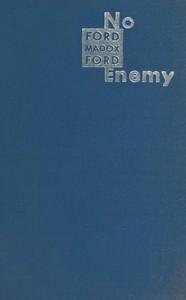
No enemy
"No Enemy" by Ford Madox Ford is a reflective novel written in the early 20th century. It follows a poet-soldier nicknamed Gringoire as he tries to reconstruct a humane, frugal, and beautiful life after the Great War, his story recorded by a friend who visits his dilapidated “Gingerbread Cottage.” The focus is on how war alters perception and values, blending domestic economies, gardening, and cooking with meditations on memory, landscape, and the longing for sanctuary. At the start of the novel, the narrator introduces Gringoire—an eccentric veteran, gardener, and self-styled economist—living with Mme. Sélysette and holding court over shandygaff as the compiler takes notes. Gringoire boasts of saving society through meticulous thrift and brain-over-manure gardening, yet drifts into monologues about how the war blotted out the world’s “nooks,” leaving only a few piercing visions: Guards drilling in Kensington Gardens under the shadow of imagined invasion; an Essex station moment colored by the news of Kitchener’s death; an exultant walk through a “sea” of swallows near the Somme; and the commanding prospect from Mont Vedaigne as he maps positions, watches “statue shells” over Poperinghe, and feels a fierce homesick pull toward a green, inviolable valley. These scenes frame his central theme: fear not only for people but for the very shame of violated landscapes, and a postwar hunger for a protected corner of earth. An “Intermezzo” closes this opening with his measured view on the word “Hun,” reserving it for propaganda-mongers rather than enemy soldiers and noting that, in the trenches, outright hatred was rare.
Summary written by Project Gutenberg, by machine.
- Language
- English
- On Project Gutenberg since
- 28 January 2026
- Read in the last 30 days
- 338 times at Project Gutenberg
More by Ford Madox Ford
See all: More by Ford Madox Ford
The Fifth Queen Crowned

The Good Soldier

Privy Seal: His Last Venture
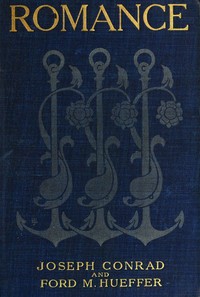
Romance
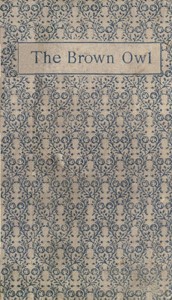
The Brown Owl: A Fairy Story
The Young Lovell: A Romance
The Feather
The Queen Who Flew: A Fairy Tale
The Fifth Queen: And How She Came to Court

The Inheritors
Some do not...: A novel
No More Parades: A novel
A call
The nature of a crime