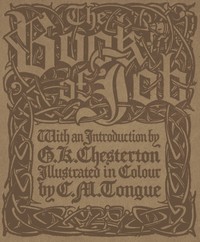
The Book of Job
by Anonymous
Introduction by G. K. Chesterton · Illustrated by C. Mary Tongue
Human-made only is on in this browser, so Project Gutenberg's machine summaries are left out. Settings.
"The Book of Job" by Anonymous is an ancient poetic and philosophical text, likely written in the early to mid-1st millennium BC. The work poses deep questions about suffering, justice, and the nature of God, focused around the central character, Job—a righteous man subjected to tremendous, unexplained misfortune. Through dialogues between Job and his friends, the book explores the limits of human wisdom, the reality of innocent suffering, and the search for meaning in pain. It is regarded as a profound meditation on faith and endurance, making it both a foundational religious work and a literary classic. The opening of "The Book of Job" introduces Job as a prosperous, upright man deeply devoted to God, with a large family and great wealth. Satan challenges Job’s integrity before God, suggesting that Job’s virtue is only a result of his blessings. God allows Satan to strip Job of his possessions, children, and eventually his health, yet Job refuses to denounce God. As Job mourns in misery, three friends arrive and begin a series of poetic dialogues, trying to explain his suffering through conventional wisdom. Job, however, laments his existence and ardently questions God’s justice, insisting on his innocence and longing for understanding, while his friends repeatedly assert that suffering is a punishment for wrongdoing. This opening sets the stage for a profound exploration of faith, despair, and the complexities of human suffering.
AI-generated Summary written by Project Gutenberg, by machine.
- Language
- English
- On Project Gutenberg since
- 3 April 2025
- Read in the last 30 days
- 732 times at Project Gutenberg
More by Anonymous
See all: More by Anonymous
Ei niin salattua, ettei ilmi tulisi
The Bible, King James Version, Complete Contents

The Life of Lazarillo de Tormes

易經
The Bible, King James version, Book 1: Genesis
Deuterocanonical Books of the Bible
The Magna Carta

Vida De Lazarillo De Tormes Y De Sus Fortunas Y Adversidades

山海經

Le ménagier de Paris (v. 1 & 2)
The World English Bible (WEB), Complete
A Chronicle of London from 1089 to 1483
The Orkneyinga Saga
El libro de las mil noches y una noche; t. 1
The Ladies Book of Useful Information

De vuurvogel en de grijze wolf

Sketches of the Fair Sex, in All Parts of the World.
Sindbad the Sailor, & Other Stories from the Arabian Nights
Thrilling Narratives of Mutiny, Murder and Piracy