The life-masters
Illustrated by Hugh Rankin
"The Life-Masters" by Edmond Hamilton is a science fiction novel written in the early 20th century, particularly during the period known for its speculative literature. The story revolves around a scientific experiment gone awry that releases a dangerous protoplasmic substance capable of consuming all life on Earth. The novel explores themes of creation, hubris, and the existential risks posed by unchecked scientific ambition. The narrative follows young scientist Ernest Ralton, who learns of a team of biologists, led by the brilliant but unhinged Dr. Munson, who have created a massive wave of living protoplasm. This new life-form initially emerges from their experiments on an isolated island but quickly spreads across global coastlines, engulfing cities and destroying humanity in its mindless quest for sustenance. As the devastating tide of protoplasm grows, Ralton and his friend Dr. Richard Mallett are trapped in Munson's laboratory, striving to stop the forces they inadvertently helped unleash. Racing against time, they plot to switch the mechanism controlling the protoplasm to counteract the existential threat, leading to a tense culmination that tests the limits of human ingenuity and will against a cataclysmic fate.
Summary written by Project Gutenberg, by machine.
- Language
- English
- On Project Gutenberg since
- 12 May 2024
- Read in the last 30 days
- 402 times at Project Gutenberg
More by Edmond Hamilton
See all: More by Edmond Hamilton
The cosmic cloud
The Door into Infinity
Outside the universe
The Stars, My Brothers
The abysmal invaders
The sea horror
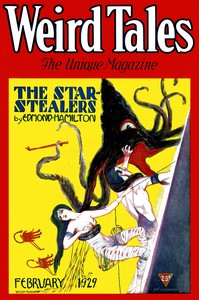
The star-stealers
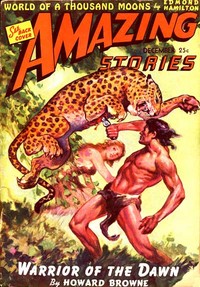
The World with a Thousand Moons
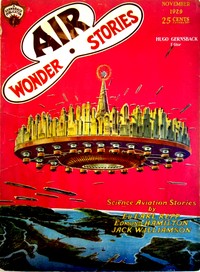
Cities in the air
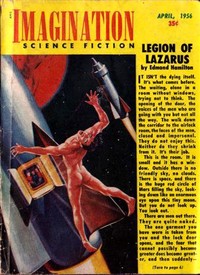
The Legion of Lazarus

The Man Who Saw the Future
The Sargasso of Space
Within the nebula
Corsairs of the cosmos
Citadel of the Star Lords
The invisible master
The universe wreckers
The time-raider
The space visitors