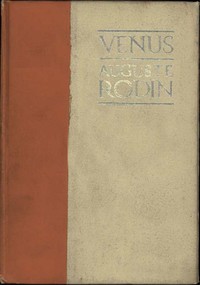
Venus. To the Venus of Melos
Translated by Dorothy Dudley
Human-made only is on in this browser, so Project Gutenberg's machine summaries are left out. Settings.
"Venus. To the Venus of Melos" by Auguste Rodin is a lyrical exploration of one of the most celebrated sculptures in the world, the Venus of Melos, written in the early 20th century. This artistic treatise delves into themes of beauty, nature, and the philosophical underpinnings of art, presenting Rodin's admiration and reverence for the ancient masterpiece. The text captures the essence of the sculpture and its enduring influence throughout the ages, evoking a timeless appreciation of art and femininity. In the book, Rodin reflects on the profound impact that the Venus of Melos has had on artists, poets, and admirers alike, describing how the sculpture embodies grace and strength. He articulates a vision of beauty that transcends mere aesthetics, emphasizing the inseparable connection between nature and artistic expression. Through detailed observations, Rodin discusses the form, light, and shadows of the Venus, revealing how its harmonious proportions resonate with the universal human experience. He invites readers to contemplate the deeper meanings of beauty, urging them to appreciate the truth found in nature and the art that seeks to capture it. Overall, Rodin’s work celebrates the profound connection between art and life itself.
AI-generated Summary written by Project Gutenberg, by machine.
- Language
- English
- On Project Gutenberg since
- 5 June 2019
- Read in the last 30 days
- 357 times at Project Gutenberg