Washington and the Riddle of Peace
by H. G. Wells
"Washington and the Riddle of Peace" by H. G. Wells is a historical account written in the early 20th century. The book comprises a collection of impressions and reflections from a visitor at the Washington Conference, held with the intent of establishing world peace and addressing the issues stemming from the aftermath of World War I. It particularly focuses on the concept of organized world peace and the complexities involved in achieving such ideals amidst political challenges and national interests. The opening of the book outlines the immense significance of the Washington Conference, which could either be a turning point in human history or a failure to avert future disasters. Wells emphasizes the pressing issues that faced world civilization, including economic instability and the failure of peace treaties like the Versailles settlement. His reflections reveal a sense of urgency regarding the necessity for true international collaboration and the prevention of war, critiquing the distractions and trivialities of human behavior that hinder such efforts. Through a blend of personal anecdotes and broader philosophical discussions, the author sets the stage for examining the complexity of achieving lasting peace in a post-war world beset by old animosities and new challenges.
Summary written by Project Gutenberg, by machine.
- Language
- English
- On Project Gutenberg since
- 12 February 2019
- Read in the last 30 days
- 392 times at Project Gutenberg
Listen to it

More by H. G. Wells
See all: More by H. G. Wells
Index of the Project Gutenberg Works of H. G. Wells
The Time Machine
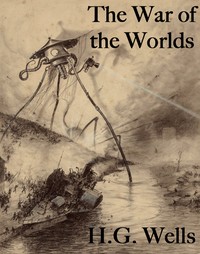
The war of the worlds

Ann Veronica: A Modern Love Story
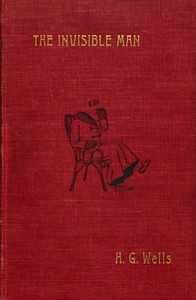
The Invisible Man: A Grotesque Romance

The island of Doctor Moreau

The Passionate Friends

The Country of the Blind, and Other Stories

The Outline of History: Being a Plain History of Life and Mankind

The Red Room
A Short History of the World

Tales of Space and Time

The Door in the Wall, and Other Stories
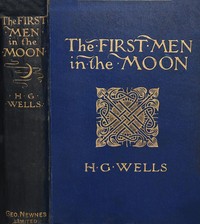
The First Men in the Moon
The World Set Free

The Stolen Bacillus and Other Incidents

Anticipations of the reaction of mechanical and scientific progress upon human life and thought
Little Wars; a game for boys from twelve years of age to one hundred and fifty and for that more intelligent sort of girl who likes boys' games and books.

The Sleeper Awakes