Isäntä ja renki
Translated by Martti Wuori
"Isäntä ja renki" by graf Leo Tolstoy is a short story written in the late 19th century. The narrative explores the dynamics between a master, Wasili Andrejitsh Brehunov, and his servant, Nikita, in a rural Russian setting. The story delves into themes of class, morality, and the human experience, particularly focusing on the struggles and relationships faced by the characters. At the start of the story, a winter celebration is underway in the village, where Wasili Andrejitsh is occupied with hosting guests before hastily making plans to engage in a profitable timber deal. Nikita, the only sober servant, prepares the horse for the journey. His backstory reveals a man of respectable character yet burdened by personal demons—specifically, his battles with alcohol that have strained his family life. As the duo sets out into the cold, their contrasting situations begin to unfold against a backdrop of discussion about Nikita's aspirations to own a horse and the ever-present tension of servitude. The opening introduces significant characters and sets the stage for a deeper exploration of their lives along with the harsh realities they face.
Summary written by Project Gutenberg, by machine.
- Language
- Finnish (Suomi)
- On Project Gutenberg since
- 16 June 2016
- Read in the last 30 days
- 338 times at Project Gutenberg
More by Leo Tolstoy, graf
See all: More by Leo Tolstoy, graf
Index of the Project Gutenberg Works of Leon Tolstoy
The Journal of Leo Tolstoi (First Volume—1895-1899)
Tolstoy on Shakespeare: A Critical Essay on Shakespeare
Tolstoy on art
Leo Tolstoin kertomuksia

War and Peace
Deux générations
Anna Karenina
What Is Art?
What Men Live By, and Other Tales
"The Kingdom of God Is Within You"
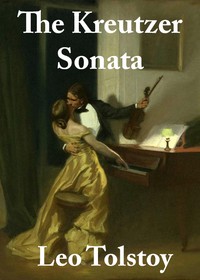
The Kreutzer Sonata and Other Stories

Resurrection
Master and Man
The forged coupon, and other stories
The Kingdom of God is Within You; What is Art?
Anna Karenina, 1. Band

A Letter to a Hindu
Fables for Children, Stories for Children, Natural Science Stories, Popular Education, Decembrists, Moral Tales