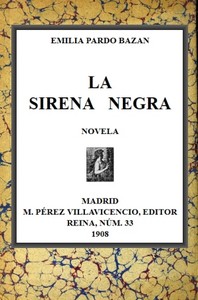
La Sirena Negra
by Emilia Pardo Bazán, condesa de
"La Sirena Negra" by Emilia Pardo Bazán is a novel written in the early 20th century. The story explores themes of existential reflection and the human condition as experienced through the life and thoughts of the protagonist, Gaspar. The narrative delves into his interactions with women, notably Rita, a troubled figure, and hints at the complexities of love, responsibility, and social expectations, laying the groundwork for a deeper examination of life and relationships. At the start of the novel, Gaspar reflects on his life after leaving a theater with a group of friends, a moment that stirs an internal crisis about the quality of life. As he walks through the cold streets of Madrid, he observes various societal figures—streetwalkers, drunks, and workers—and grapples with discomfort at the idea of charity and the connections between humanity. His attention is soon captured by Rita, a fragile woman he encounters at a doctor’s office, who keeps her tragic story and struggles concealed. Their subsequent relationship, marked by moments of tenderness and sadness, unfolds against a backdrop of societal norms and personal desires, setting the stage for conflict and emotional exploration.
Summary written by Project Gutenberg, by machine.
- Language
- Spanish (Español)
- On Project Gutenberg since
- 14 March 2016
- Read in the last 30 days
- 761 times at Project Gutenberg
More by Emilia Pardo Bazán, condesa de
See all: More by Emilia Pardo Bazán, condesa de
Cuentos de amor
Los pazos de Ulloa

La voz de la conseja, t.1
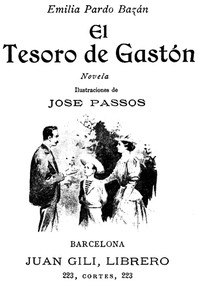
El Tesoro de Gastón: Novela

Cuentos de navidad y reyes; cuentos de la patria; cuentos antiguos

Un viaje de novios
La madre naturaleza (2ª parte de Los pazos de Ulloa)

El cisne de Vilamorta
Insolación y Morriña (Dos historias amorosas)

La dama joven
La Quimera

La Tribuna

Morriña (Homesickness)
A Christian Woman

Russia: Its People and Its Literature

The Mystery of the Lost Dauphin (Louis XVII)
Dulce Dueño
The Swan of Vilamorta

En tranvía