The Way Out
"The Way Out" by Emerson Hough is a novel written in the early 20th century. The story seems to revolve around David Joslin, who struggles against the confines of his family legacy, particularly his father, a preacher with rigid beliefs. He confronts the clash between cultural expectations and personal aspirations in the rugged terrain of the Cumberlands, as he seeks his own path and meaning in life. The opening of the book introduces us to David Joslin’s challenging family dynamics. David is caught between his passion for music, represented by his beloved violin, and his father's austere religious beliefs that condemn such expressions as sinful. After a heated confrontation, David is banished from his father's house, leading him to reflect deeply about his identity and purpose. As he leaves, the oppressive weight of familial expectations looms large, setting the stage for his journey toward self-discovery and the choices he must make in the unforgiving landscape of both the mountains and his own past.
Summary written by Project Gutenberg, by machine.
- Language
- English
- On Project Gutenberg since
- 31 May 2015
- Read in the last 30 days
- 622 times at Project Gutenberg
More by Emerson Hough
See all: More by Emerson Hough
The Young Alaskans
The Singing Mouse Stories
The Man Next Door

The Lady and the Pirate
The Young Alaskans in the Rockies
The Story of the Outlaw: A Study of the Western Desperado
The Way of a Man
The Way to the West, and the Lives of Three Early Americans: Boone—Crockett—Carson
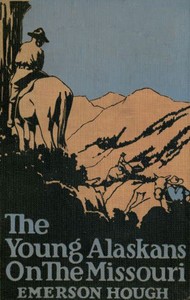
The Young Alaskans on the Missouri

The Covered Wagon

The Magnificent Adventure
The King of Gee-Whiz

The Purchase Price; Or, The Cause of Compromise

54-40 or Fight
The Broken Gate: A Novel
The Passing of the Frontier: A Chronicle of the Old West

The Young Alaskans on the Trail

The Mississippi Bubble

The Sagebrusher: A Story of the West