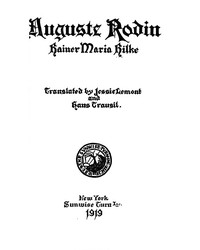
Auguste Rodin
Translated by Jessie Lemont · Translated by Hans Trausil
"Auguste Rodin" by Rainer Maria Rilke is a biographical analysis written in the early 20th century. The book explores the life and artistic development of the French sculptor Auguste Rodin, offering profound insights into his creative processes and the philosophical underpinnings of his work. Rilke's text serves as a critical interpretation of Rodin's art, examining its depth and significance in relation to the broader artistic trends of the time. In this lengthy essay, Rilke discusses Rodin's journey as an artist—from his early struggles in poverty to becoming a master of sculpture. Rilke provides a vivid portrayal of Rodin's works, such as "The Thinker" and "The Gates of Hell," and details the emotional weight and existential themes conveyed through his sculptures. The text emphasizes Rodin's masterful ability to capture the human condition, infusing his figures with life and movement while contemplating themes of love, suffering, and the interplay between humanity and nature. Rilke's appreciation for Rodin's artistry reflects a deep understanding of the sculptor's intention to express the complexities of existence through form, ultimately celebrating the connection between the artist and his creations.
Summary written by Project Gutenberg, by machine.
- Language
- English
- On Project Gutenberg since
- 7 May 2014
- Read in the last 30 days
- 1,202 times at Project Gutenberg
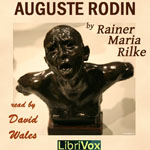
Listen to it
More by Rainer Maria Rilke
See all: More by Rainer Maria Rilke
Die Weise von Liebe und Tod des Cornets Christoph Rilke
Poems
Das Stunden-Buch
Zwei Prager Geschichten
Neue Gedichte
Erste Gedichte
Die Aufzeichnungen des Malte Laurids Brigge
Die Letzten
Das Buch der Bilder
Geschichten vom lieben Gott
Auguste Rodin
Der Neuen Gedichte: Anderer Teil
Das Marien-Leben