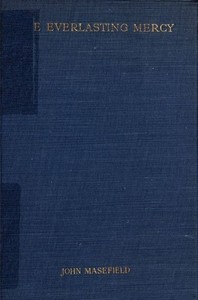
The Everlasting Mercy
"The Everlasting Mercy" by John Masefield is a narrative poem written in the early 20th century. The poem follows the tumultuous life of Saul Kane, exploring themes of sin, redemption, and the struggles of the human spirit. Masefield’s work is noted for its vivid, colloquial language and deep emotional resonance, reflecting the complexities of rural life and personal transformation. In the poem, Saul Kane's life takes a sharp turn as he grapples with the consequences of his actions—drunkenness, violence, and moral decay. As he reflects on his past, Kane experiences a profound inner conflict and ultimately encounters a moment of enlightenment that prompts a spiritual awakening. Through vivid descriptions of nature and the people around him, Masefield captures the essence of Kane's struggle between his baser instincts and the yearning for redemption, culminating in a transformative realization of mercy and grace. The work resonates as a poignant exploration of the potential for change within the human condition.
Summary written by Project Gutenberg, by machine.
- Language
- English
- On Project Gutenberg since
- 23 November 2012
- Read in the last 30 days
- 746 times at Project Gutenberg
More by John Masefield
See all: More by John Masefield
John M. Synge: a Few Personal Recollections, with Biographical Notes

William Shakespeare
Salt-Water Ballads

On the Spanish Main; Or, Some English forays on the Isthmus of Darien
The Story of a Round-House, and Other Poems
The Widow in the Bye Street
Reynard the Fox
The Daffodil Fields
Gallipoli
The Old Front Line
Sea life in Nelson's time

Martin Hyde, the Duke's Messenger

Right Royal
Selected Poems

Jim Davis
Dauber: A Poem

King Cole

Captain Margaret

ODTAA: A novel