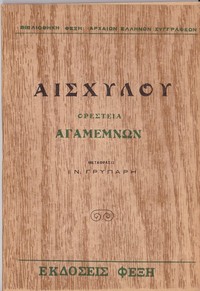
Αγαμέμνων
by Aeschylus
Translated by I. N. Grypares
"Αγαμέμνων" by Aeschylus is a tragedy written in the early 5th century BC. The play focuses on the theme of revenge and the consequences of betrayal, revolving around the character of Agamemnon, the king who returns home after the Trojan War, only to face a deadly plot orchestrated by his wife, Clytemnestra. This initial act of vengeance sets in motion a tragic sequence of events that explores themes of justice, fate, and familial conflict. At the start of the play, a watchman reflects on the prolonged waiting period, hoping for word of Agamemnon's return from Troy. He ultimately sees a signal fire from the mountain, indicating victory in the war. The chorus, representing the elders of Argos, expresses anxiety about the conditions of the soldiers and the situation in Troy. Clytemnestra enters, announcing the fall of Troy with an air of triumph, but there are hints of underlying darkness and treachery in her demeanor. The opening establishes a tense atmosphere, intertwining joy for victory with an ominous anticipation of betrayal that will drive the plot forward.
Summary written by Project Gutenberg, by machine.
- Language
- Greek (Ελληνικά)
- On Project Gutenberg since
- 25 April 2012
- Read in the last 30 days
- 635 times at Project Gutenberg
More by Aeschylus
See all: More by Aeschylus
The Agamemnon of Aeschylus

Aeschylus' Prometheus Bound and the Seven Against Thebes
Four Plays of Aeschylus

The Lyrical Dramas of Aeschylus Translated into English Verse

Specimens of Greek Tragedy — Aeschylus and Sophocles

The House of Atreus; Being the Agamemnon, the Libation bearers, and the Furies
Æschylos Tragedies and Fragments

Tragedias
Ευμενίδες

Προμηθεύς Δεσμώτης

Book of illustrations : Ancient Tragedy
Πέρσαι

Επτά επί Θήβας

Χοηφόροι

Agamemnon: Murhenäytelmä