
Egypt (La Mort de Philae)
by Pierre Loti
Translated by W. P. Baines
"Egypt (La Mort de Philae)" by Pierre Loti is a novel likely written during the late 19th century. The work delves into the profound beauty and mystique of Egypt, with a particular focus on its iconic ancient structures like the Sphinx and the pyramids, while exploring themes of time, mortality, and the interplay between the ancient and modern worlds. The narrator's contemplations lead to a reflective and somewhat melancholic portrayal of both the landscape and its historical significance. The opening of the novel transports readers to a winter midnight amidst the haunting presence of the Great Sphinx and the pyramids. The narrator describes the dreamlike quality of the moonlit night, emphasizing the surreal, almost ethereal hues that envelop these monumental structures, creating a sense of awe and mystery. As the narration unfolds, characters such as tourists and Bedouin guides emerge, contrasting the timelessness of the monuments with the transient and often irreverent actions of modern visitors. The striking imagery and philosophical reflections encapsulate the profound sorrow and beauty inherent in the remnants of Egypt's past, setting the stage for a deeper exploration of history, identity, and the inexorable passage of time.
Summary written by Project Gutenberg, by machine.
- Language
- English
- On Project Gutenberg since
- 13 April 2006
- Read in the last 30 days
- 585 times at Project Gutenberg
More by Pierre Loti
See all: More by Pierre Loti
Widger's Quotes and Images from Madame Chrysantheme by Pierre Loti

Le Mariage de Loti

Madame Chrysantheme — Complete

The Daughter of Heaven

Madame Chrysanthème

An Iceland Fisherman
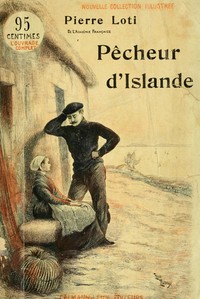
Pêcheur d'Islande

Quelques aspects du vertige mondial
The Last Days of Pekin
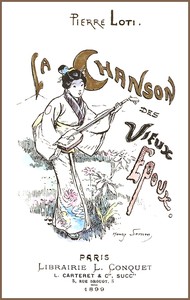
La chanson des vieux époux
Au Maroc

The Story of a Child
War

La troisième jeunesse de Madame Prune

Le livre de la pitié et de la mort

Madame Chrysanthème

Jérusalem
La fille du ciel: Drame Chinois
L'exilée