Στοχασμοί
by Oscar Wilde
Translated by Alex G. Marpoutzoglou
Human-made only is on in this browser, so Project Gutenberg's machine summaries are left out. Settings.
"Στοχασμοί" by Oscar Wilde is a collection of essays and dialogues written in the early 20th century. The book delves into aesthetic and philosophical principles, exploring the significance of art and creativity in contrast to the mundane realities of life. Wilde, known for his keen wit and profound insights, underscores the importance of imagination and artistic expression through various discussions, primarily featuring characters discussing their beliefs. At the start of this work, the reader is introduced to the characters Κυρίλλος and Βίβιαν in a library setting, where they engage in a lively conversation about the nature of art and reality. Βίβιαν expresses a disillusionment with nature, claiming that the more one studies art, the less one appreciates the natural world, while Κυρίλλος advocates for experiencing the outdoor beauty. This exchange sets the stage for a broader critique of realism, as Βίβιαν plans to write an article titled “Η παρακμή της ψευδολογίας” ("The Decline of Falsehood"), emphasizing the importance of imaginative creativity in literature and art amidst the growing influence of a mundane and documentary-style approach in contemporary works. Through their discussion, Wilde establishes the thematic foundation of the book regarding art's elevated role in human experience.
AI-generated Summary written by Project Gutenberg, by machine.
- Language
- Greek (Ελληνικά)
- On Project Gutenberg since
- 28 December 2010
- Read in the last 30 days
- 444 times at Project Gutenberg
More by Oscar Wilde
See all: More by Oscar Wilde
Index of the Project Gutenberg Works of Oscar Wilde
Selected Prose of Oscar Wilde

Selected Poems of Oscar Wilde
Wilde v Whistler
The Picture of Dorian Gray
The Importance of Being Earnest: A Trivial Comedy for Serious People
De Profundis
The Happy Prince, and Other Tales

The Canterville Ghost
Poems, with The Ballad of Reading Gaol

Lady Windermere's Fan

The Picture of Dorian Gray
Salomé: A Tragedy in One Act

The Picture of Dorian Gray

An ideal husband
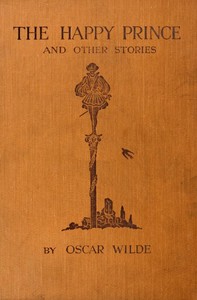
The Happy Prince, and Other Tales

Intentions
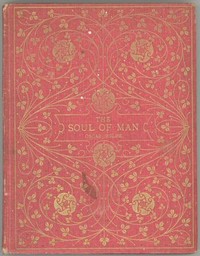
The Soul of Man under Socialism
Miscellaneous Aphorisms; The Soul of Man