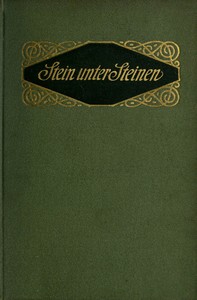
The Joy of Living (Es lebe das Leben): A Play in Five Acts
Translated by Edith Wharton
"The Joy of Living (Es lebe das Leben): A Play in Five Acts" by Hermann Sudermann is a dramatic work written in the late 19th century. The play revolves around Count Michael von Kellinghausen and his wife, Beata, as they navigate the complexities of personal and political relationships amidst an election campaign. The narrative explores themes of ambition, sacrifice, and the intricacies of love and duty. At the start of the play, we are introduced to the drawing-room of Count Kellinghausen's house in Berlin, where various characters—politicians, family members, and friends—gather to discuss the recent elections. Tensions rise as Beata expresses her concern about her husband's political ambitions and the implications for their family. The interplay between personal affection and public duty is highlighted, particularly in the conversations surrounding the ramifications of an election where Michael has withdrawn to support Barón Richard von Völkerlingk. The opening sets the stage for the emotional and political conflicts that will unfold throughout the narrative.
Summary written by Project Gutenberg, by machine.
- Language
- English
- On Project Gutenberg since
- 4 November 2010
- Read in the last 30 days
- 534 times at Project Gutenberg
More by Hermann Sudermann
See all: More by Hermann Sudermann
The Song of Songs
The Song of Songs
The Undying Past

El deseo

El molino silencioso; Las bodas de Yolanda

Roses: Four One-Act Plays
The Wish: A Novel
Morituri: Three One-Act Plays
Regina, or the Sins of the Fathers

Magda: A Play in Four Acts

Dame Care

John the Baptist: A Play

Fires of St. John: A Drama in Four Acts
Iolanthe's Wedding

The Indian Lily and Other Stories

The Silent Mill

Litauische Geschichten
Honor: A Play in Four Acts
Kissanporras: Romaani