Letters to His Son, 1752
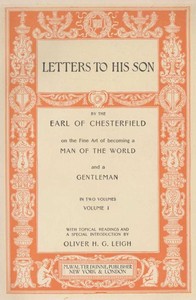
On the Fine Art of Becoming a Man of the World and a Gentleman
by Philip Dormer Stanhope Chesterfield, Earl of
"Letters to His Son, 1752" by the Earl of Chesterfield is a collection of epistolary advice written during the mid-18th century. This work comprises letters addressed to Chesterfield's son, in which he shares insights on how to navigate the complexities of society and become a well-rounded gentleman. The letters primarily focus on the importance of acquiring knowledge, manners, and social graces essential for success in both personal and professional realms. The beginning of "Letters to His Son" emphasizes the value of curiosity and attention to detail as crucial tools for gaining knowledge and understanding the world. Chesterfield encourages his son to be actively engaged in learning about political systems, cultural nuances, and societal structures during his travels in Europe. He criticizes common traits in young English travelers—such as laziness or infrequent inquiry—urging his son to ask questions and seek information on various subjects, from legal customs to social etiquette. This opening sets the tone for the intimate and instructive nature of the letters, framing them as both personal correspondence and a guide to becoming a polished and perceptive gentleman.
Summary written by Project Gutenberg, by machine.
- Language
- English
- On Project Gutenberg since
- 1 December 2004
- Read in the last 30 days
- 522 times at Project Gutenberg
More by Philip Dormer Stanhope Chesterfield, Earl of
See all: More by Philip Dormer Stanhope Chesterfield, Earl of
Widger's Quotations from the Project Gutenberg Editions of the Works of Lord Chesterfield
Letters to His Son, Complete
Letters to His Son, 1746-47
Letters to His Son, 1748
Letters to His Son, 1751
Letters to His Son, 1750
Letters to His Son, 1753-54
Letters to His Son, 1749
Letters to His Son, 1766-71
Principles of politeness, and of knowing the world
Letters to His Son, 1756-58
Letters to His Son, 1759-65
Letters, sentences and maxims