The Second-Story Man
"The Second-Story Man" by Upton Sinclair is a dramatic play written in the early 20th century. This work falls within the genre of social commentary and crime fiction, exploring the harsh realities and injustices faced by the working class. The narrative centers around a man turned criminal, reflecting broader themes of exploitation and moral accountability in a capitalist society. The story unfolds in a luxurious home where Jim Faraday, a desperate and disillusioned burglar, breaks in, hoping to find something to eat. He encounters Helen Austin, the wife of a smooth-talking lawyer, Harvey Austin, who represents the steel company that exploited Jim and drove him to crime through their unscrupulous practices. As Jim shares his tragic backstory—how he lost his family due to the negligence of the company and its lawyers—Helen realizes the depth of her husband's complicity in the system that perpetuates such suffering. A confrontation ensues, highlighting the moral decay of the affluent at the expense of the vulnerable. Ultimately, Jim leaves, having addressed his pain while Helen is left grappling with her husband's role in the very evils she wished to condemn. The play poignantly critiques social injustices and reveals the personal toll of corporate greed.
Summary written by Project Gutenberg, by machine.
- Language
- English
- On Project Gutenberg since
- 1 July 2002
- Read in the last 30 days
- 443 times at Project Gutenberg
More by Upton Sinclair
See all: More by Upton Sinclair
The Autobiography of Upton Sinclair
Index of the Project Gutenberg Works of Upton Sinclair
Boston
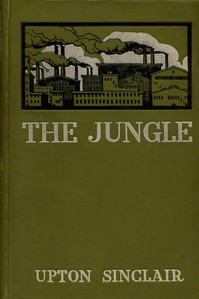
The Jungle

King Midas: a Romance

Tuhatvuotinen valtakunta
The Book of Life
The Profits of Religion, Fifth Edition
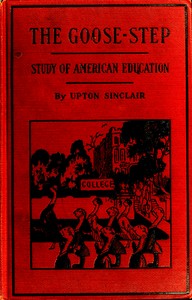
The Goose-step: A Study of American Education
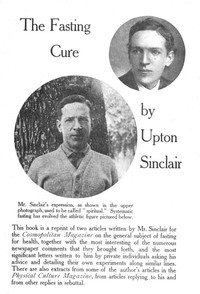
The Fasting Cure
Mental Radio
A Prisoner of Morro; Or, In the Hands of the Enemy
The Profits of Religion: An Essay in Economic Interpretation

100%: the Story of a Patriot
King Coal
Oil!
The Brass Check: A Study of American Journalism
The Moneychangers
Mammonart: An essay in economic interpretation