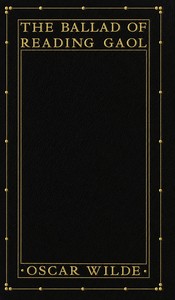
The Ballad of Reading Gaol
by Oscar Wilde
"The Ballad of Reading Gaol" by Oscar Wilde is a poem written in 1897, after his release from prison following a conviction for gross indecency. The poem narrates the execution of Charles Thomas Wooldridge, a fellow prisoner who murdered his wife, weaving together objective storytelling with symbolic identification among all convicts. Wilde explores themes of punishment, brutalization, and shared humanity through the haunting refrain "Yet each man kills the thing he loves." Initially published anonymously under his cell number "C.3.3.," the poem became an unexpected success.
Summary written by Project Gutenberg, by machine.
- Language
- English
- On Project Gutenberg since
- 1 July 1995
- Read in the last 30 days
- 1,383 times at Project Gutenberg
Listen to it: 2 recordings


More by Oscar Wilde
See all: More by Oscar Wilde
Index of the Project Gutenberg Works of Oscar Wilde
Selected Prose of Oscar Wilde

Selected Poems of Oscar Wilde
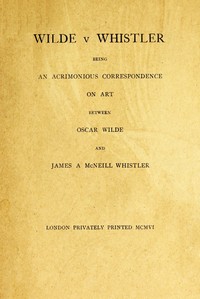
Wilde v Whistler
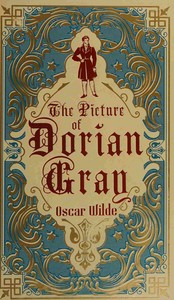
The Picture of Dorian Gray
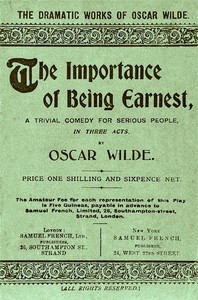
The Importance of Being Earnest: A Trivial Comedy for Serious People
De Profundis
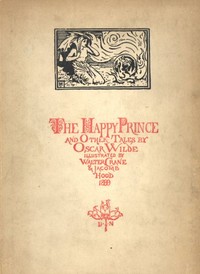
The Happy Prince, and Other Tales

The Canterville Ghost
Poems, with The Ballad of Reading Gaol

Lady Windermere's Fan

The Picture of Dorian Gray
Salomé: A Tragedy in One Act

The Picture of Dorian Gray

An ideal husband
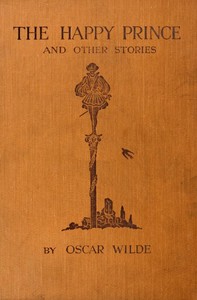
The Happy Prince, and Other Tales

Intentions
The Soul of Man under Socialism
Miscellaneous Aphorisms; The Soul of Man