The Lost Girl
"The Lost Girl" by D. H. Lawrence is a novel written in the early 20th century. The story is set in the small industrial town of Woodhouse in England and revolves around Alvina Houghton, the daughter of a struggling merchant, as she grapples with societal expectations and her identity. As the narrative unfolds, it delves into themes of women, individuality, and the constraints of society. At the start of the book, we are introduced to the declining fortunes of Alvina’s father, James Houghton, who once dreamed of becoming a successful merchant but now faces financial hardships. The narrative provides an insightful portrait of the family's dynamics, particularly focusing on the influences of Alvina's mother, an invalid, and her governess, Miss Frost. As Alvina grows into a young woman, she finds herself overshadowed by her father's failures and the societal pressures surrounding her, hinting at her struggle against the expectations of becoming another "old maid" in a society filled with unmarried women. The opening sets a tone that promises a deep exploration of Alvina's journey towards self-discovery and independence.
Summary written by Project Gutenberg, by machine.
- Language
- English
- On Project Gutenberg since
- 3 December 2007
- Read in the last 30 days
- 946 times at Project Gutenberg
Listen to it

More by D. H. Lawrence
See all: More by D. H. Lawrence
Birds, Beasts and Flowers
Index of the Project Gutenberg Works of David H. Lawrence
Sons and Lovers
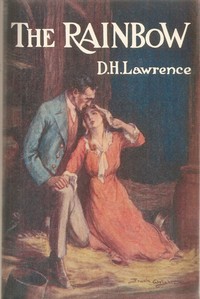
The Rainbow

Women in Love
England, My England
The Prussian Officer
Some Imagist Poets: An Anthology
Sons and Lovers
Love Poems and Others
Studies in Classic American Literature

Fantasia of the Unconscious
Sea and Sardinia
Some Imagist Poets, 1916: An Annual Anthology

Aaron's Rod

Amores: Poems
Reflections on the death of a porcupine and other essays
The White Peacock

New Poems