
The right to read =
Translated by Pierre Sarrazin
"The Right to Read = Le droit de lire" by Richard Stallman is a thought-provoking publication written in the late 20th century. This narrative, presented as a fictional tale interwoven with real-world implications, explores the intersection of copyright law, digital access, and individual rights in an increasingly regulated society. The story critiques the limitations placed on reading and sharing knowledge due to stringent intellectual property laws and highlights the ethical dilemmas that arise from these practices. The book follows Dan Halbert, a college student faced with a moral quandary when his classmate Lissa Lenz asks to borrow his computer after hers breaks down. Concerned that lending her his computer could lead to repercussions for both of them if she accesses his books—given the oppressive presence of the Software Protection Authority (SPA) monitoring usage—Dan faces an internal conflict between helping her and adhering to the laws that restrict sharing knowledge. As the narrative unfolds, their relationship deepens and they embark on a journey of discovering the history of copyright laws and the consequences of compliance to oppressive systems, ultimately joining a movement that advocates for the universal right to read. The story serves as a cautionary tale that resonates with contemporary discussions about access to information in the digital age.
Summary written by Project Gutenberg, by machine.
- Languages
- English, French (Français)
- On Project Gutenberg since
- 1 November 1999
- Read in the last 30 days
- 687 times at Project Gutenberg
More from the shelf “FR Science fiction”
See all: More from the shelf “FR Science fiction”
Voyage au Centre de la Terre
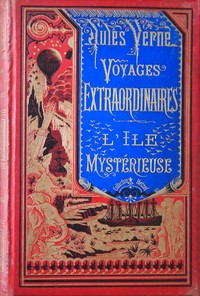
L'île mystérieuse

Vingt mille Lieues Sous Les Mers — Complete
De la terre à la lune, trajet direct en 97 heures 20 minutes
Vingt mille lieues sous les mers

De la terre à la lune: trajet direct en 97 heures 20 minutes
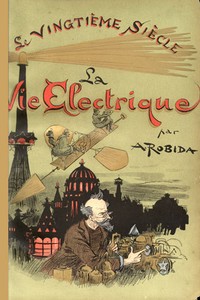
Le Vingtième Siècle: La Vie Électrique
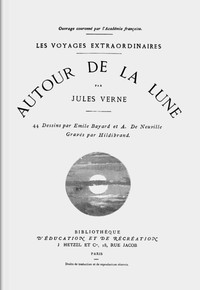
Autour de la lune

L'autre monde; ou, Histoire comique des Etats et Empires de la Lune
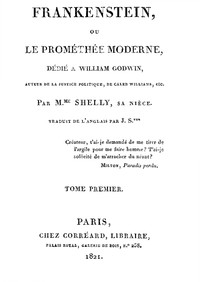
Frankenstein, ou le Prométhée moderne Volume 1 (of 3)

Cinq Semaines En Ballon

Vingt Mille Lieues Sous Les Mers — Part 2

Aventures extraordinaires d'un savant russe; I. La lune
Les voyages de Gulliver

La guerre des mondes

Aventures extraordinaires d'un savant russe; II. Le Soleil et les petites planètes

Aventures extraordinaires d'un savant russe; III. Les planètes géantes et les comètes
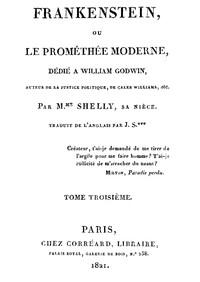
Frankenstein, ou le Prométhée moderne Volume 3 (of 3)

Autour de la Lune