Junto Al Pasig
by José Rizal
"Junto Al Pasig" by José Rizal is a one-act melodrama written in verse, first performed in the late 19th century (specifically in the 1880s). This work serves as a celebration of the Filipino culture and the Marian devotion that is significant in the Philippines, set alongside the banks of the Pasig River. The book combines poetic dialogue with themes of good versus evil, represented through the characters’ interactions. The story unfolds with children, including Leónido, Cándido, and Pascual, preparing to celebrate the feast of the Virgin Mary. Their joy and innocent banter are interrupted by the appearance of Satán, who represents temptation and evil. Leónido, however, embodies faith and purity, standing firm against Satán's attempts to sway him. As the drama escalates, angels intervene to protect Leónido, reinforcing the power of religious faith. Ultimately, the children celebrate the arrival of the Virgin Mary, highlighting themes of hope, goodness, and the protective nature of divine love against malevolent forces.
Summary written by Project Gutenberg, by machine.
- Language
- Spanish (Español)
- On Project Gutenberg since
- 25 January 2005
- Read in the last 30 days
- 749 times at Project Gutenberg
More by José Rizal
See all: More by José Rizal
Ang Liham ni Dr. Jose Rizal sa mga Kadalagahan sa Malolos, Bulakan

Friars and Filipinos
Noli Me Tangere
Rizal's own story of his life
The Reign of Greed
The Philippines a Century Hence
The Social Cancer: A Complete English Version of Noli Me Tangere
Ang "Filibusterismo" (Karugtóng ng Noli Me Tangere)
The Indolence of the Filipino
Noli me tangere: Filippijnsche roman
Noli me tángere

Mi Ultimo Adiós
El Filibusterismo (Continuación del Noli me tángere)
An Eagle Flight: A Filipino Novel Adapted from Noli Me Tangere
Au Pays des Moines (Noli me Tangere)

Filipinas Dentro De Cien Años (Estudio Politico-Social)
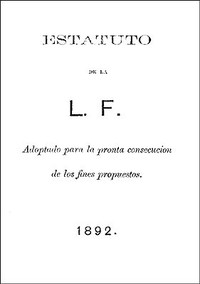
Estatuto de la L. F. (Liga Filipina)

El Consejo de los Dioses