Ylösnousemus II
Translated by Arvid Järnefelt
"Ylösnousemus II" by Leo Tolstoy is a novel written in the late 19th century. The book centers around the character Dmitri Nehljudof, a landowner who is confronting the moral and social implications of his estate's management, particularly regarding his relationships with the serfs who work his land. As he reflects on his responsibilities and the inequality in the land ownership system, he seeks to reform the lives of the peasants under his care. At the start of the novel, Nehljudof is preparing for a trip to Saint Petersburg to advocate on behalf of Maslova, a woman linked to his past, who is facing punishment in a prison camp. His paternalistic feelings towards the serfs are conveyed through his musings about his childhood estate, where he is grappling with the realization of their dire conditions. As he arrives at his estate, he learns of the systemic injustices that govern the lives of his tenants, igniting an internal struggle about whether to surrender his land, ultimately leading to discussions with the local peasants about their future and rights. This opening sets the stage for Nehljudof's journey of self-discovery and his quest to rectify the wrongs of his past.
Summary written by Project Gutenberg, by machine.
- Language
- Finnish (Suomi)
- On Project Gutenberg since
- 1 June 2004
- Read in the last 30 days
- 398 times at Project Gutenberg
More by Leo Tolstoy, graf
See all: More by Leo Tolstoy, graf
Index of the Project Gutenberg Works of Leon Tolstoy
The Journal of Leo Tolstoi (First Volume—1895-1899)

Tolstoy on Shakespeare: A Critical Essay on Shakespeare
Tolstoy on art
Leo Tolstoin kertomuksia

War and Peace
Deux générations
Anna Karenina
What Is Art?
What Men Live By, and Other Tales
"The Kingdom of God Is Within You"
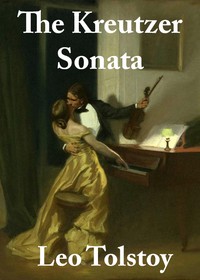
The Kreutzer Sonata and Other Stories

Resurrection
Master and Man
The forged coupon, and other stories
The Kingdom of God is Within You; What is Art?
Anna Karenina, 1. Band
A Letter to a Hindu
Fables for Children, Stories for Children, Natural Science Stories, Popular Education, Decembrists, Moral Tales