
The Bickerstaff-Partridge Papers
"The Bickerstaff-Partridge Papers" by Jonathan Swift is a satirical work that primarily critiques the practice of astrology, written in the early 18th century, specifically during the early 1700s. This book combines elements of political satire and humor to address the absurdities associated with almanacs and their creators, particularly in relation to the prevalent superstition surrounding predictions of future events. Swift adopts the persona of Isaac Bickerstaff, an astrologer, to expose the foolhardiness of blindly believing in such predictions. The narrative unfolds through a series of humorous predictions made by Bickerstaff, which are intentionally exaggerated and absurd to illustrate the ridiculous nature of astrology. The central character, John Partridge, an actual almanac-maker, becomes the target of Bickerstaff's satire, as his supposed death is forecasted in a comedic twist of fate. The writings include a mock elegy for Partridge, along with his desperate attempts to defend himself against Bickerstaff's claims, revealing a lively back-and-forth filled with wit and irony. The work not only entertains but also serves as a critical commentary on the gullibility of the public and the charlatanism of those who exploit such beliefs for profit.
Summary written by Project Gutenberg, by machine.
- Language
- English
- On Project Gutenberg since
- 1 November 1997
- Read in the last 30 days
- 759 times at Project Gutenberg
More by Jonathan Swift
See all: More by Jonathan Swift
The Poems of Jonathan Swift, D.D., Volume 2

The Poems of Jonathan Swift, D.D., Volume 1

The Prose Works of Jonathan Swift, D.D. - Volume 07

The Prose Works of Jonathan Swift, D.D. — Volume 06
The Prose Works of Jonathan Swift, D.D. — Volume 10

The Prose Works of Jonathan Swift, D.D. — Volume 04

The Prose Works of Jonathan Swift, D.D. — Volume 09

The Prose Works of Jonathan Swift, D.D. — Volume 03

Index of the Project Gutenberg Works of Jonathan Swift
Index of the Project Gutenberg Works of Jonathan Swift

Ireland in the Days of Dean Swift (Irish Tracts, 1720 to 1734)
A Modest Proposal
Gulliver's Travels into Several Remote Nations of the World

Gulliver's Travels into Several Remote Regions of the World

The Journal to Stella
Gulliver's Travels

The Battle of the Books, and other Short Pieces

A Tale of a Tub

Les voyages de Gulliver
Hints to servants
More from the shelf “Banned Books from Anne Haight's list”
See all: More from the shelf “Banned Books from Anne Haight's list”
The Adventures of Sherlock Holmes

The Prince

History of Tom Jones, a Foundling
The Adventures of Tom Sawyer, Complete

The Scarlet Letter
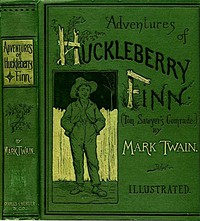
Adventures of Huckleberry Finn
Ulysses
The Kama Sutra of Vatsyayana
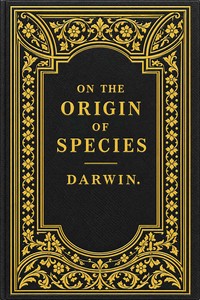
On the Origin of Species By Means of Natural Selection
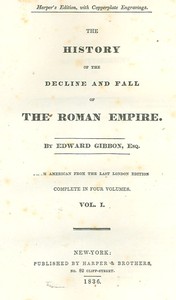
The History of the Decline and Fall of the Roman Empire

The call of the wild
Les Misérables
Gulliver's Travels into Several Remote Nations of the World

The Sorrows of Young Werther

Dubliners

The Awakening, and Selected Short Stories

Candide
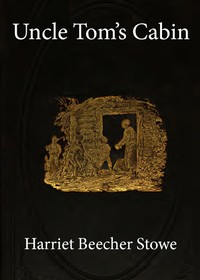
Uncle Tom's Cabin

Essays of Michel de Montaigne — Complete