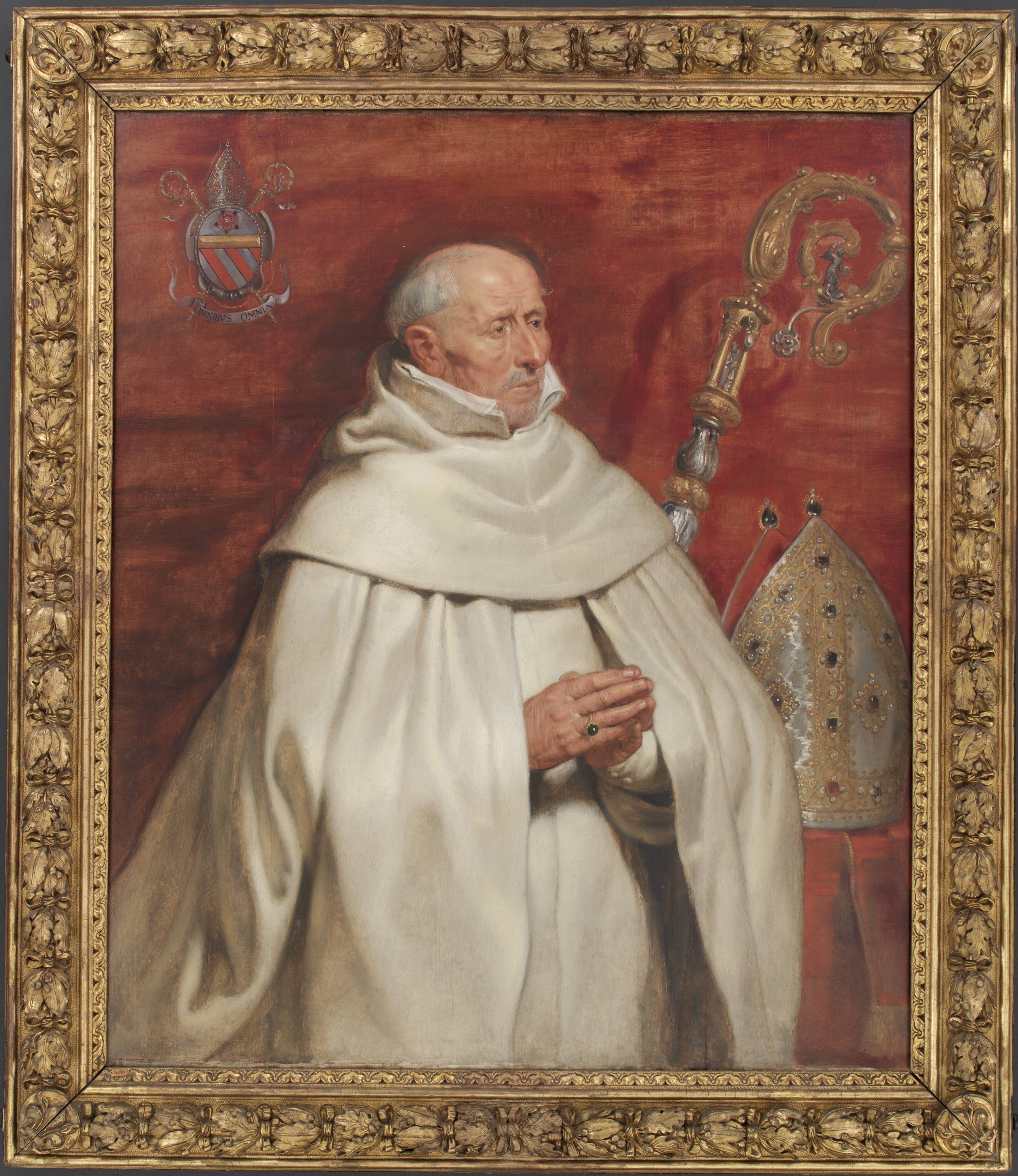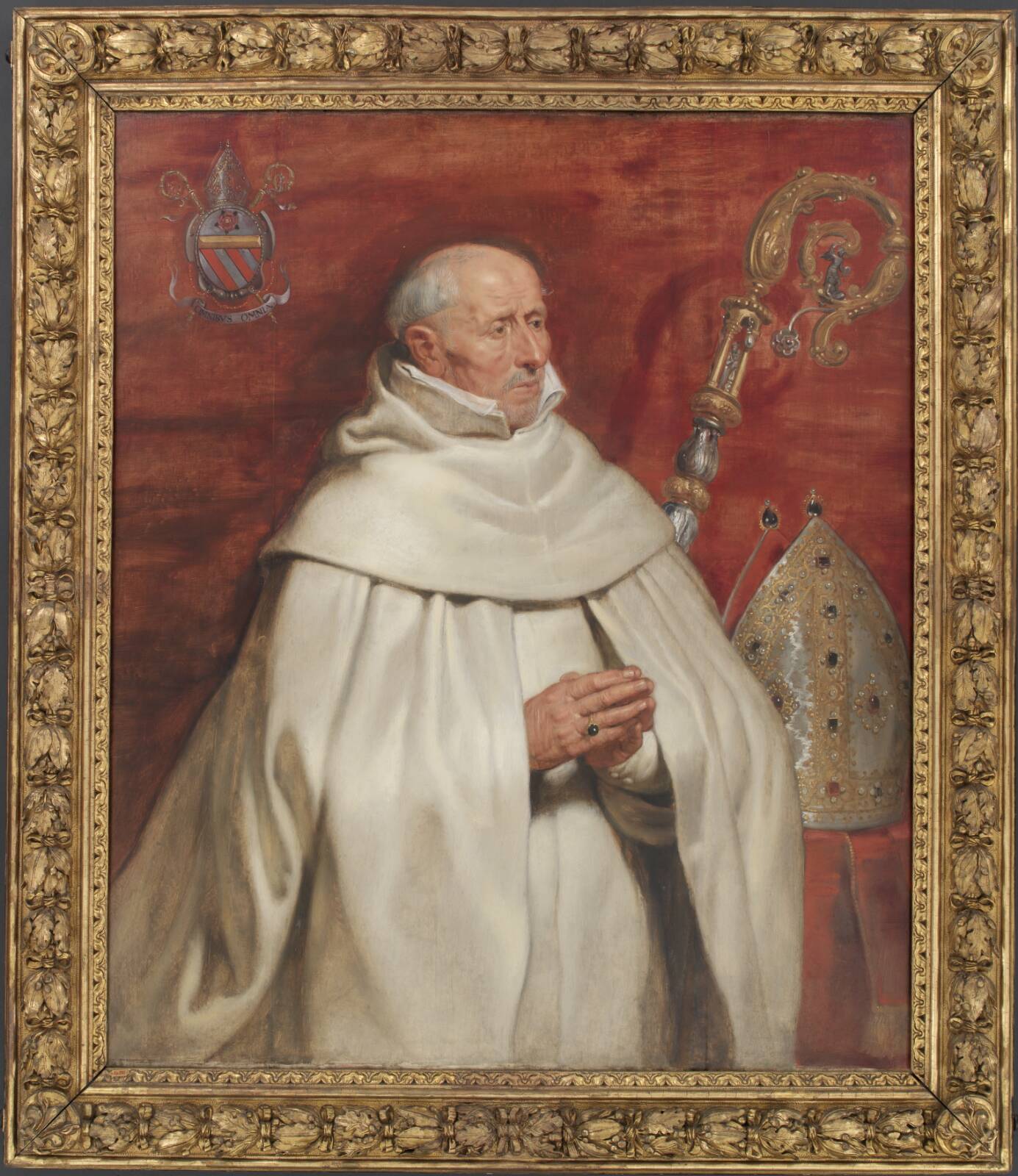
Matthaeus Yrsselius (1541-1629), Abbot of Sint-Michiel's Abbey in Antwerp
Peter Paul Rubens (Flemish, 1577–1640)
1622-1625
- Medium
- Oil on oak
- Classification
- Painting
- Dimensions
- width 127 cm, height 145.5 cm, height 120 cm, width 102.5 cm
- Culture
- Flemish
- Museum
- SMK – National Gallery of Denmark
- Rights
- Public Domain Mark: SMK waives its rights in this photograph, as the museum states it.
- Who can see it
- Tweens profiles and older: its subjects are known and suit older children. How works are placed
View at the SMK – National Gallery of Denmark
About this work
Yrsselius was originally a sepulchral tablet accompanied by an epitaph which does not survive today. The tablet was originally placed by the abbot’s grave in the church of the St.Michael’s Abbey. A few years prior to his death the abbot gave the church an altarpiece for the high altar, featuring a Rubens painting of the Adoration of the Magi. Part of an all-inclusive decoration The tablet was intended to be hung in such a way that the abbot looked towards the high altar with his hands folded in "eternal prayer", taking part in the adoration of the Christ Child on the altarpiece. This form of all-inclusive decoration, where figures in paintings are connected by the mental bridge established through a gaze, a gesture, or spatial links, is a typical feature of the Baroque. The portrait's colour scheme Matthæus Yrsselius had his portrait painting wearing the white habit of the Premonstratensians with the mitre and the crozier by his side. In a colour scheme typical for Rubens, the white habit shines like mother-of-pearl against a lacquer-red background where the shadow cast by the crozier gives depth.