Ahasverus på vandring
C.C. Peters (Danish, 1822–1899)
1892
- Medium
- Bronze
- Classification
- Statuette
- Dimensions
- height 28.7 cm, width 13.7 cm
- Culture
- Danish
- Museum
- SMK – National Gallery of Denmark
- Rights
- Public Domain Mark: SMK waives its rights in this photograph, as the museum states it.
- Who can see it
- Teens profiles and older: its museum says too little about what it shows to place it for younger viewers. How works are placed
View at the SMK – National Gallery of Denmark
About this work
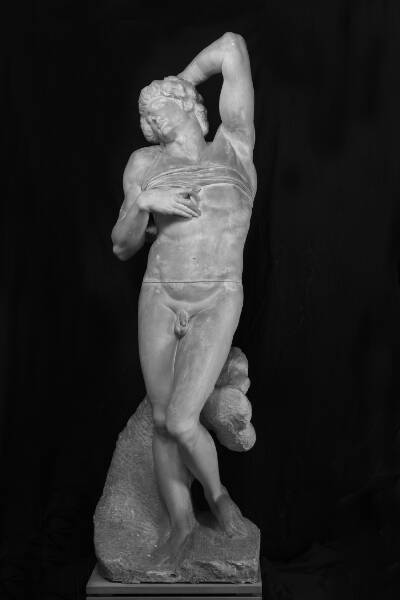
This sculpture is unusual in several ways. It depicts a figure in motion, thereby departing from the classical ideal of sculpture, which demanded calm and harmony. Nor is the figure classically beautiful and athletic; rather, it is sinewy and emaciated. Carl Peters belonged to the generation of sculptors that followed in the wake of Bertel Thorvaldsen and Herman Wilhelm Bissen. A generation that has been described as rather lost, foundering and characterised by stagnation; sleepwalkers who lacked clear goals and direction. There may be some truth to such claims, but with his little figure of Ahasuerus Wandering, Peters does all in his power to break the spell of his generation’s paralysis. Thirteenth-century folk tales tell the story of how Ahasuerus, the Wandering Jew, is punished for not offering Christ rest on his way to Calvary. A great doom falls upon Ahasuerus: he must wander the earth restlessly for eternity. In Denmark, Ahasuerus becomes a popular figure in seventeenth-century legends, and Romantic poets such as Hans Christian Andersen and Ingemann use the character in their dramatic poems. In Peters’s interpretation of Ahasuerus, the artist lets his exhaustion and pain…